
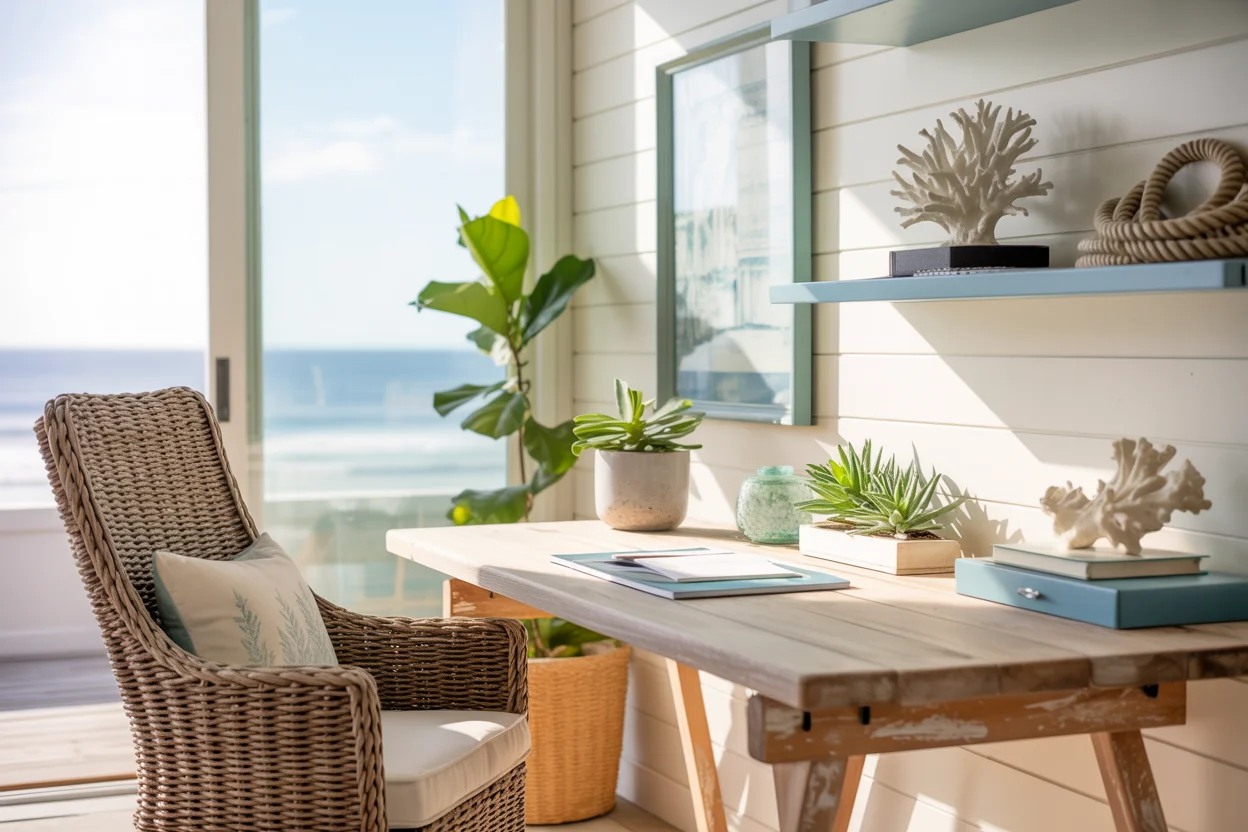
Soft Neutral Color Therapy Office
A therapy office designed with soft neutral colors creates an environment that feels calm and emotionally supportive. Colors such as beige, warm white, light gray, and soft taupe help reduce visual stress and make the space feel more relaxing. These tones are ideal for therapy environments because they do not overwhelm the senses and help maintain a peaceful atmosphere.
Neutral colors also allow furniture, textures, and natural elements to stand out without making the room feel cluttered. Adding layered textures like linen curtains, soft rugs, or cozy throw pillows can enhance the overall warmth of the space. This type of color palette helps clients feel comfortable and encourages open conversations during therapy sessions.
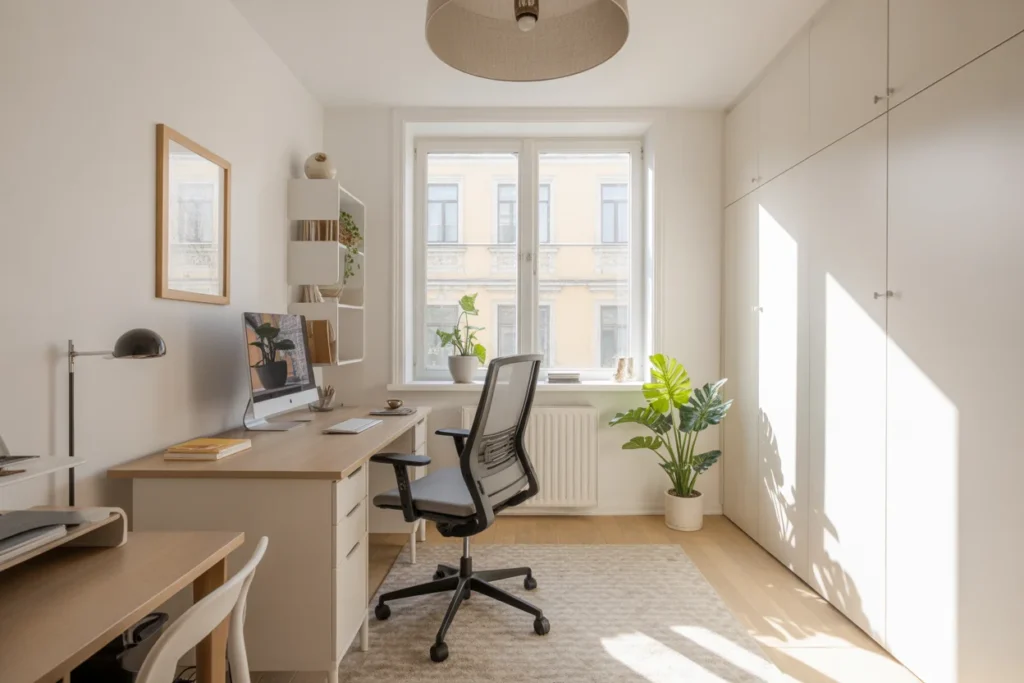
Neutral tones can also make a therapy office appear larger and brighter. When paired with natural light and simple decor, the room can feel open and airy. This sense of openness can make clients feel more at ease when discussing personal thoughts and emotions.
Using different shades within the same neutral palette can create depth without overwhelming the design. For example, a combination of warm beige walls, cream seating, and light wood furniture can produce a soothing visual balance. The result is a therapy space that feels professional, inviting, and emotionally supportive.
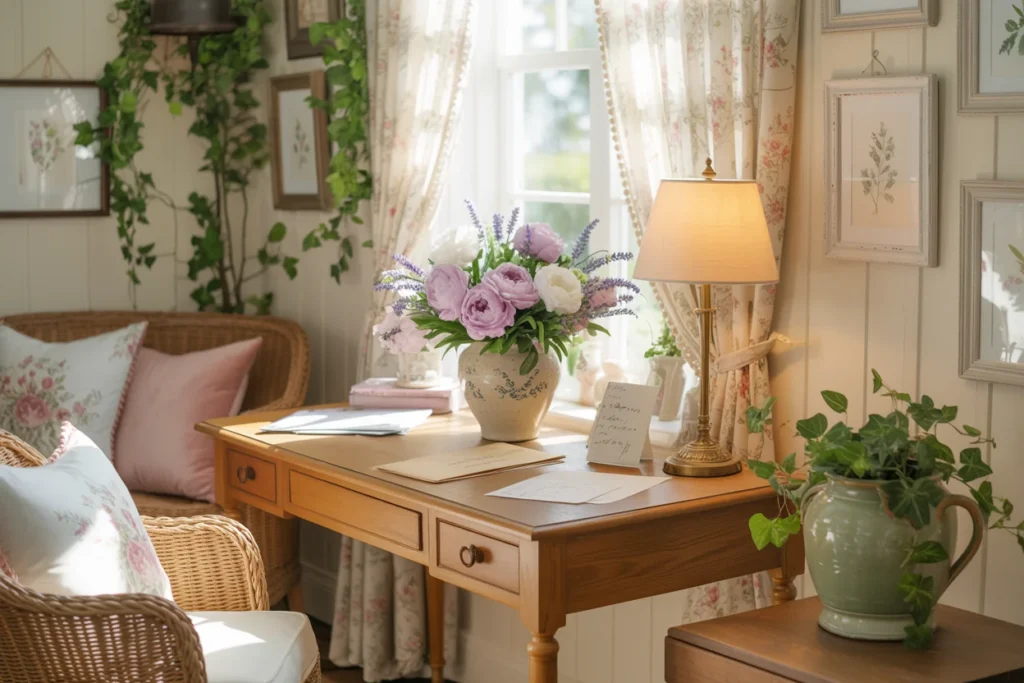
Comfortable Seating Arrangement
Comfortable seating is one of the most essential elements in a therapy office. Clients need to feel physically relaxed so they can focus on their thoughts and conversations. Soft armchairs with supportive cushions often work best because they provide comfort while maintaining a professional look.
Therapists often choose chairs with slightly rounded shapes or plush upholstery to make the room feel more welcoming. Neutral-colored fabric chairs can help maintain a calm environment while blending beautifully with the rest of the office design. Comfortable seating encourages clients to settle in and feel more at ease during their session.
The seating arrangement should also promote natural communication. Placing chairs at a slight angle instead of directly facing each other can make conversations feel less intense and more natural. This layout allows both therapist and client to feel comfortable while maintaining a respectful personal space.
Adding a small side table between the chairs can also improve functionality. It can hold tissues, water, or small decorative items that contribute to the welcoming atmosphere. A thoughtfully arranged seating area helps create a safe and supportive environment for therapy sessions.
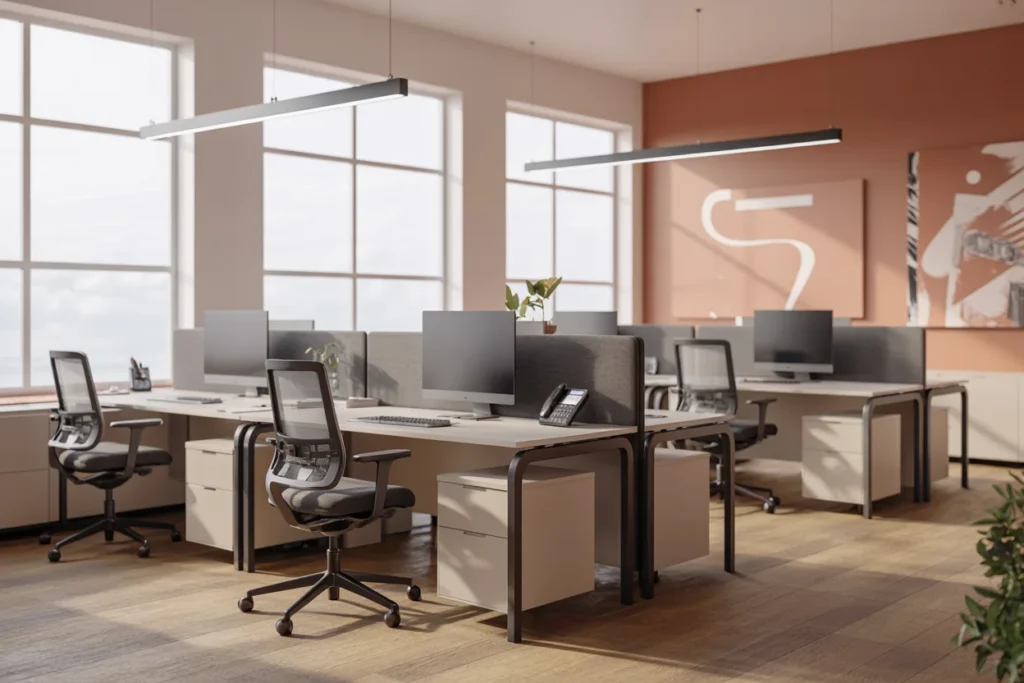
Natural Light and Bright Spaces
Natural light can transform the atmosphere of a therapy office. Sunlight creates a warm and uplifting environment that can positively influence mood and emotional well-being. A room filled with natural light often feels more open, peaceful, and welcoming.
Large windows, glass doors, or skylights can help bring natural light into the space. Therapists often place seating areas near windows so the room feels brighter and more comfortable during sessions. Soft daylight helps reduce the feeling of being in a clinical environment and instead creates a relaxed atmosphere.
When natural light is too strong, sheer curtains or light blinds can help soften it. These window treatments allow sunlight to enter while still maintaining privacy for therapy sessions. The soft glow created by filtered sunlight can make the office feel calm and serene.
If a therapy office does not have large windows, warm artificial lighting can help replicate a similar effect. Combining floor lamps, table lamps, and soft overhead lighting can create a balanced and comfortable atmosphere. Proper lighting ensures that the office remains welcoming throughout the day.
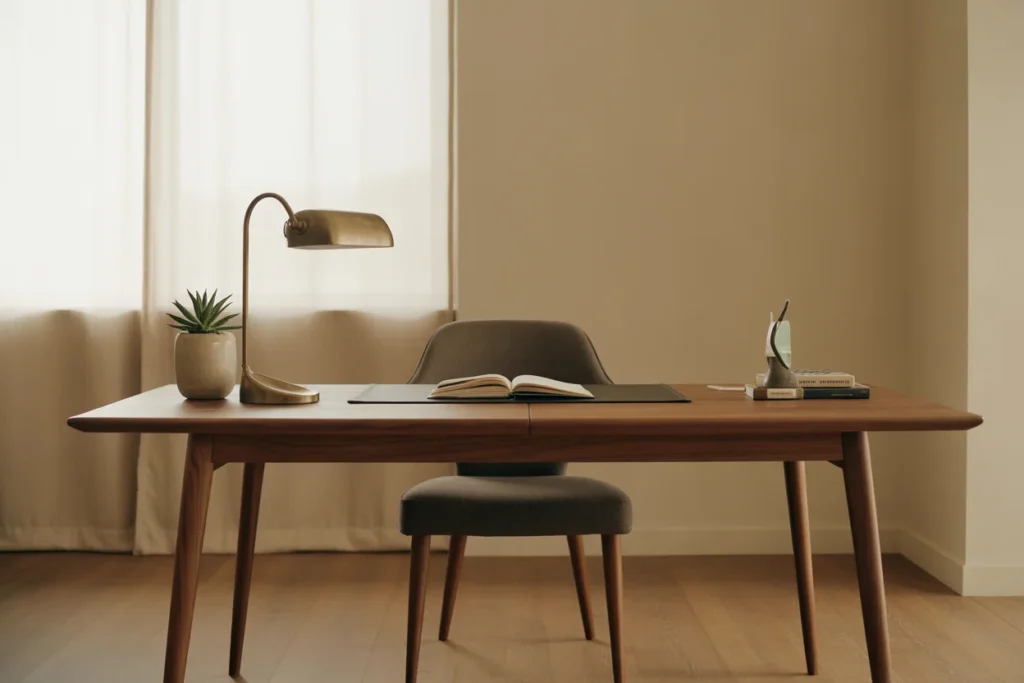
Nature-Inspired Therapy Office
Nature-inspired design can help create a grounded and calming therapy environment. Incorporating plants, natural materials, and earthy tones can make the office feel refreshing and peaceful. Many therapists use natural elements because they are known to reduce stress and promote relaxation.
Indoor plants are one of the easiest ways to introduce nature into the therapy office. Plants like snake plants, peace lilies, or fiddle leaf figs can add life and freshness to the room. They also improve the visual appeal of the office and help create a welcoming atmosphere.
Natural materials such as wood, stone, and woven textures can also enhance the design. Wooden shelves, rattan baskets, and linen curtains add warmth and depth to the space. These materials make the office feel more organic and less clinical.
Combining natural textures with soft lighting and neutral colors creates a balanced environment. Clients often feel more relaxed in spaces that reflect elements of nature. This design style transforms the therapy office into a peaceful retreat for reflection and conversation.
Minimalist Therapy Office Design
Minimalist design focuses on simplicity and organization. In a therapy office, minimalism helps remove unnecessary distractions so clients can focus on meaningful conversations. A clean and uncluttered environment often promotes mental clarity and emotional calm.
Minimalist therapy offices usually feature simple furniture, neutral colors, and carefully selected decor. Instead of filling the room with many decorative objects, therapists often choose a few meaningful pieces that enhance the atmosphere. This approach keeps the space visually calm and organized.
Minimalism also helps create a sense of openness within the room. Hidden storage cabinets, simple shelving, and organized furniture layouts can keep the office tidy. Clients may feel more comfortable sharing their thoughts in an environment that feels calm and structured.
A minimalist therapy office does not feel empty when balanced correctly. Soft rugs, textured fabrics, and subtle artwork can still add warmth while maintaining simplicity. The result is a peaceful workspace that supports thoughtful conversations and emotional healing.
Warm Lighting Therapy Office
Lighting has a powerful impact on the overall atmosphere of a therapy office. Soft, warm lighting helps create a comfortable environment where clients feel relaxed and safe. Harsh or overly bright lighting can make the room feel clinical and uncomfortable.
Many therapists prefer layered lighting that includes floor lamps, table lamps, and subtle overhead lights. This approach creates a gentle glow that feels calming and welcoming. Warm lighting can also help soften the appearance of the room and make it feel more inviting.
Lighting can also help define different areas of the therapy office. A soft lamp near the seating area can create a cozy conversation space. Decorative lights near shelves or artwork can add subtle visual interest without overwhelming the room.
Adjustable lighting is also helpful for adapting the room to different times of day. During evening sessions, dimmer lighting can create a peaceful and relaxing mood. Thoughtfully designed lighting helps create an environment that encourages calm and thoughtful dialogue.
Textured and Cozy Therapy Space
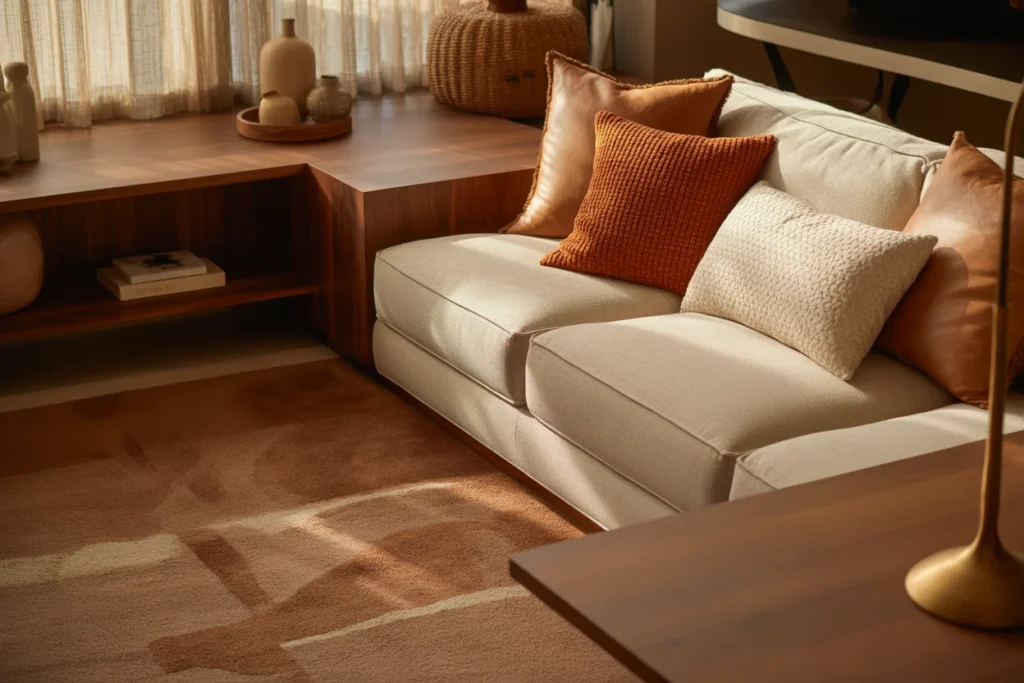
Texture plays an important role in making a therapy office feel comfortable and inviting. Soft materials such as rugs, cushions, and throws help create a warm and welcoming environment. These elements can transform a simple room into a cozy and supportive space.
A plush area rug can help define the seating area while adding warmth underfoot. Fabric chairs, knitted blankets, and textured cushions can also enhance comfort. Clients often feel more relaxed in spaces that feel soft and thoughtfully designed.
Join the Conversation