




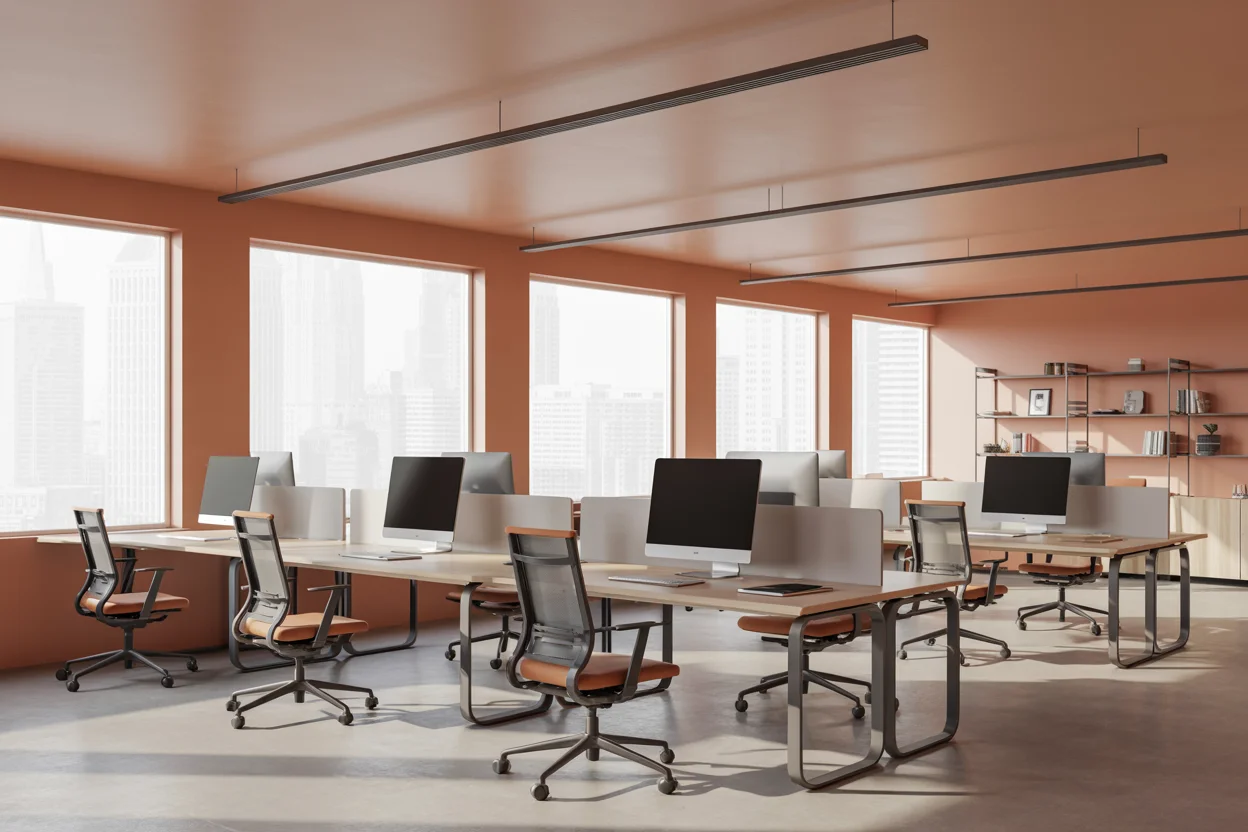
1. Encourages Collaboration and Networking
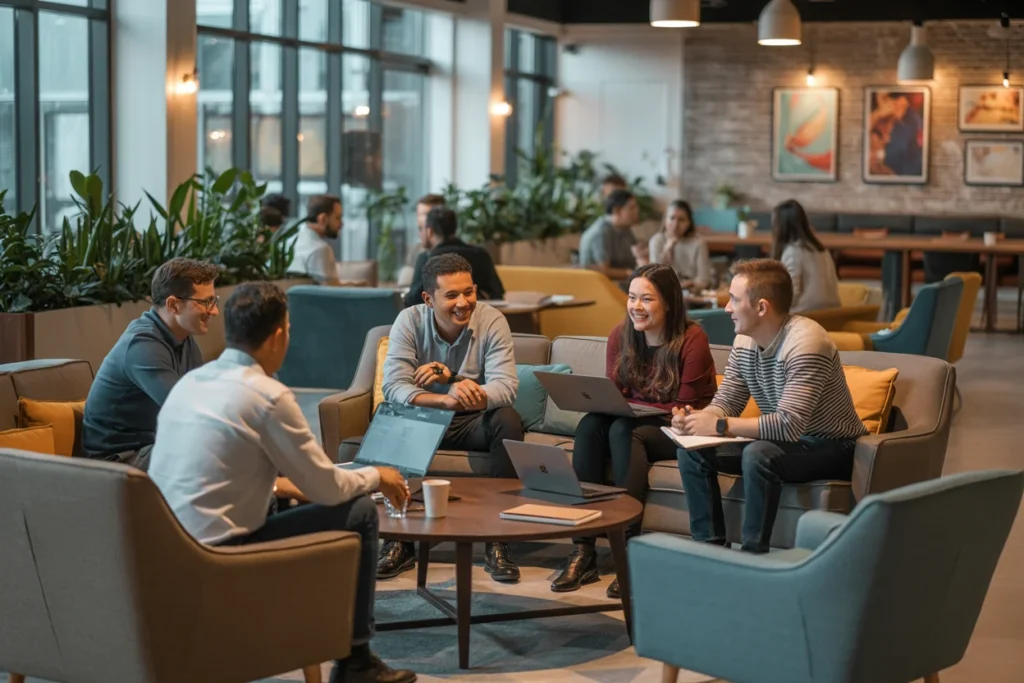
A well-designed coworking space fosters collaboration by creating shared areas where individuals can meet and exchange ideas. Open seating arrangements, communal tables, and breakout zones naturally encourage conversations and networking among diverse professionals. By working alongside people from different industries, you increase opportunities for partnerships, mentorships, and collaborations.

2. Boosts Creativity and Innovation
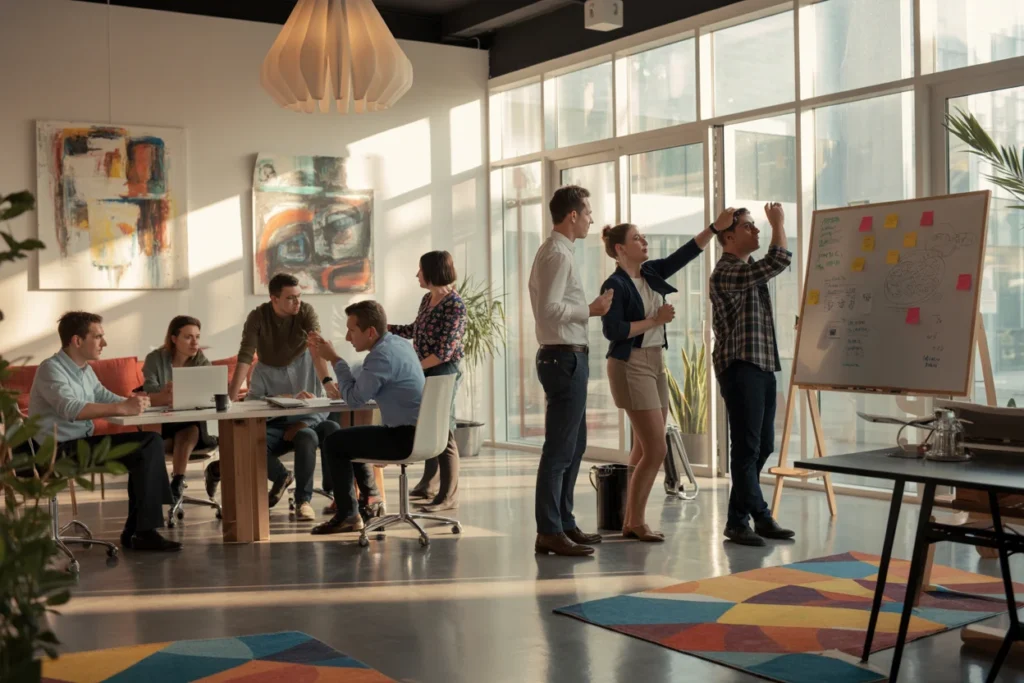
Creative office design elements like natural light, art installations, and flexible layouts stimulate innovative thinking. By providing inspiring work environments, coworking spaces help users think outside the box and approach challenges differently. Colorful walls, plants, and modern furniture can also spark creative energy, making brainstorming sessions more productive.
3. Enhances Productivity and Focus
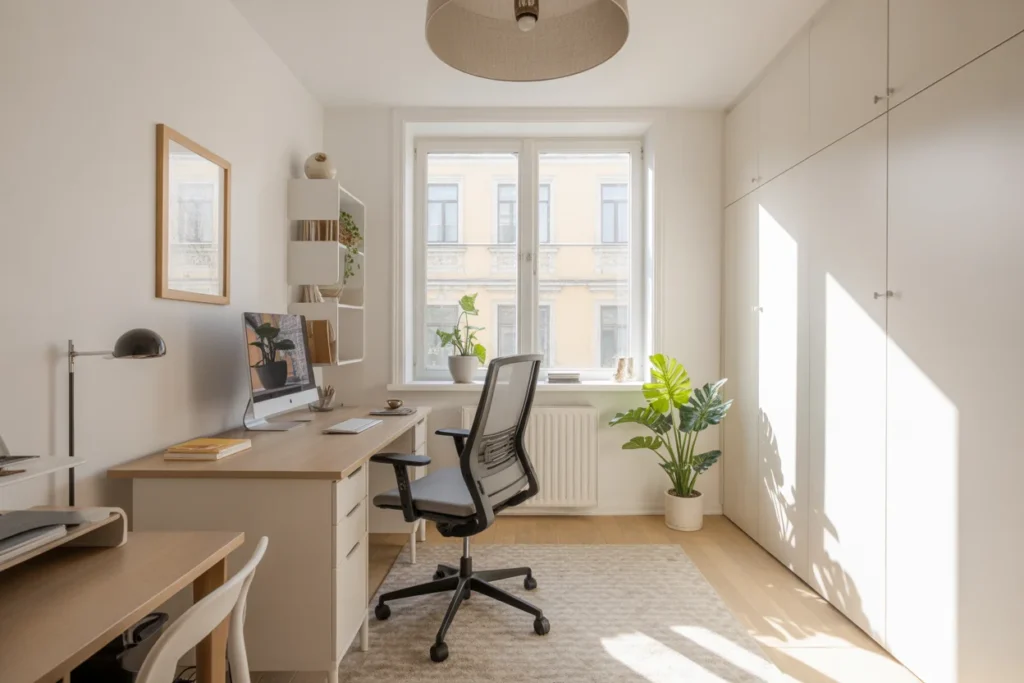
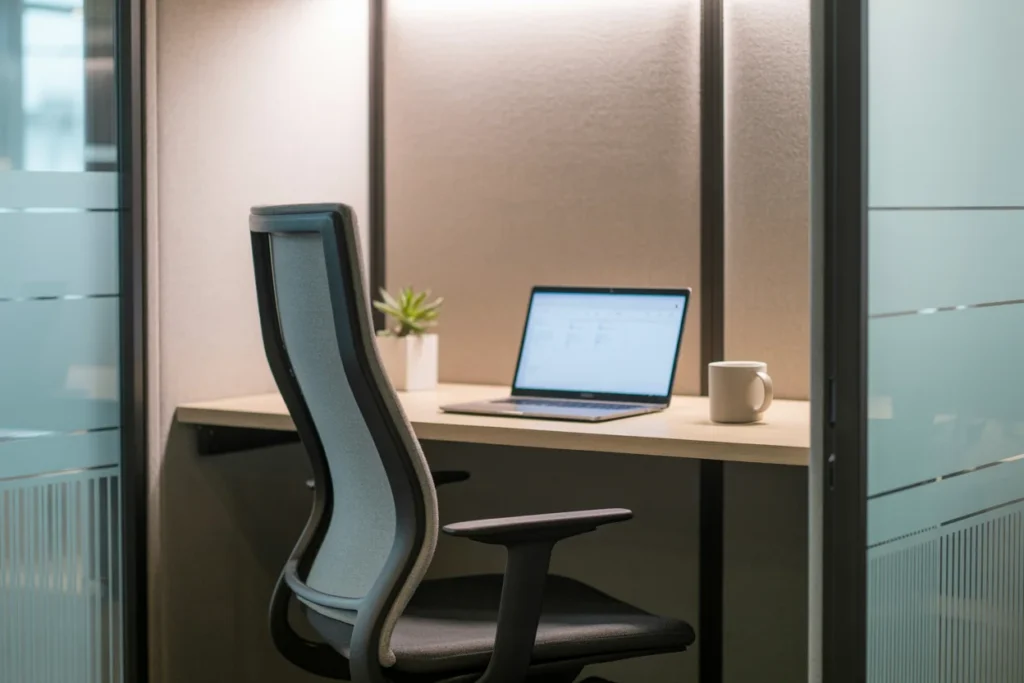
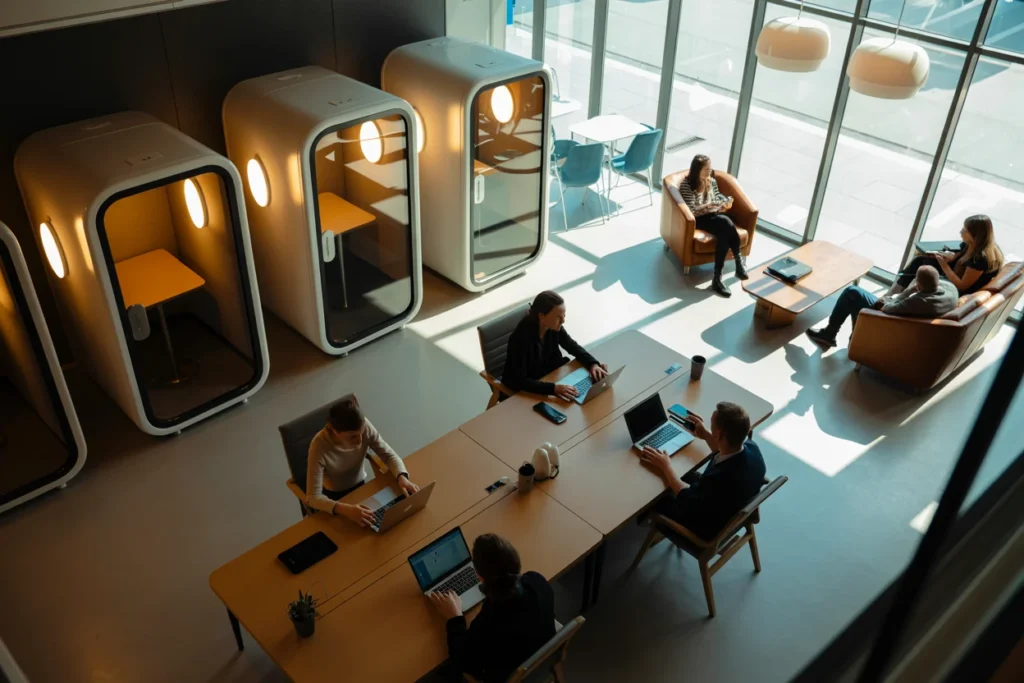
Coworking spaces are designed to balance open collaboration and private work areas, allowing for uninterrupted focus. Quiet zones, phone booths, and soundproof meeting rooms help individuals complete tasks efficiently. Ergonomic furniture and organized layouts reduce distractions, contributing to higher productivity levels.
4. Provides Flexibility in Workspace Choices
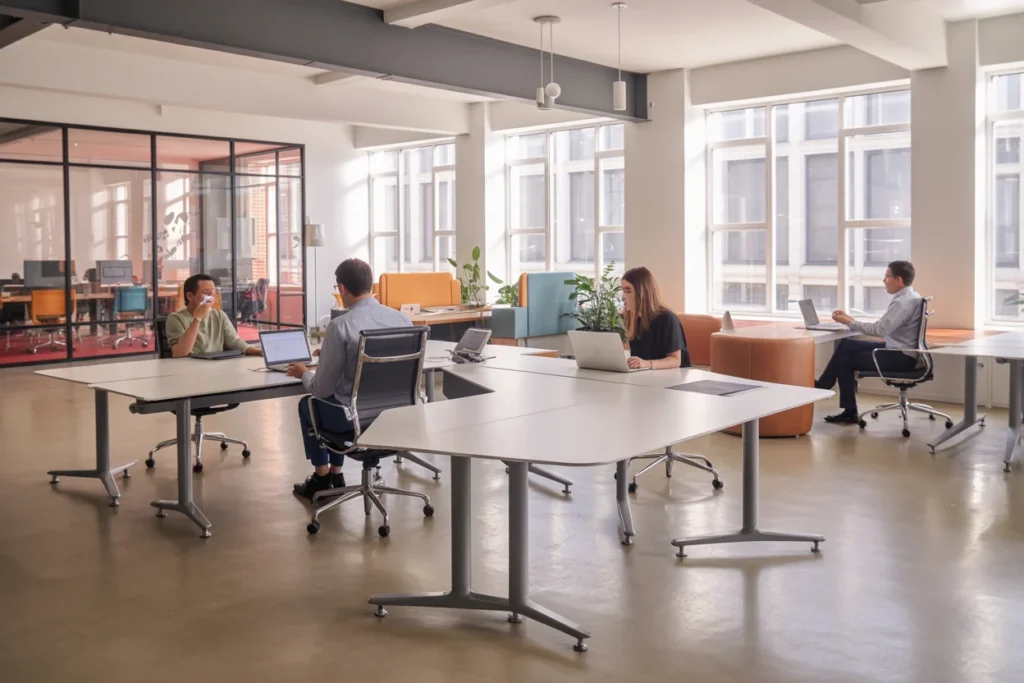
Coworking designs often include a variety of seating options, from hot desks to private offices. This flexibility allows users to choose the environment that suits their daily tasks, whether it’s focused work, team meetings, or creative sessions. Adjustable furniture and modular layouts further enhance the adaptability of the space.
5. Promotes Health and Well-Being
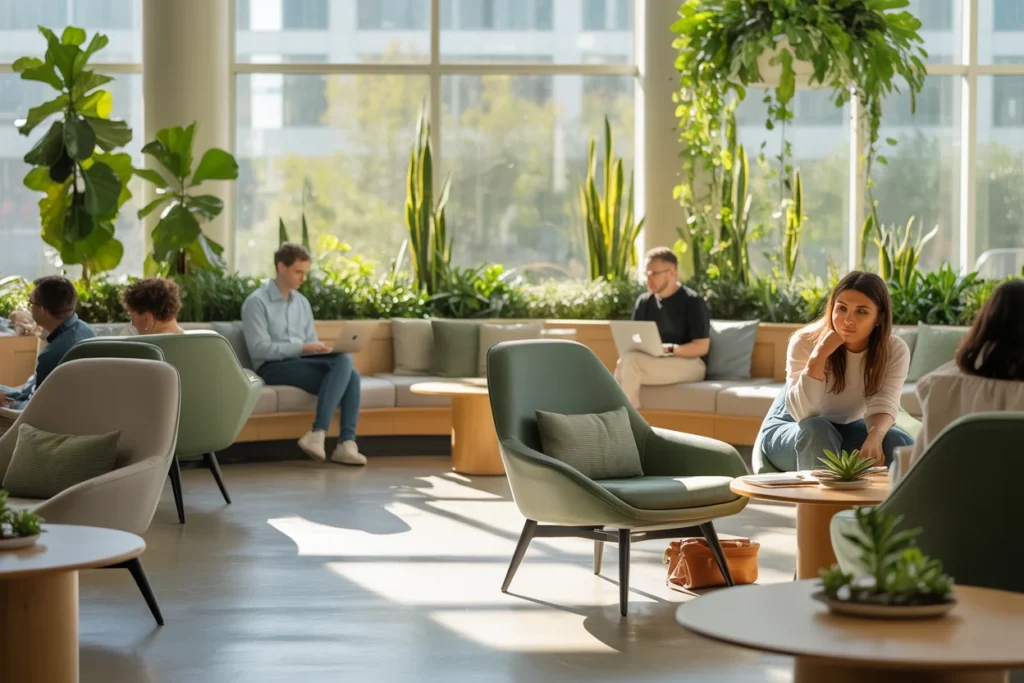
Designing coworking spaces with wellness in mind improves both physical and mental health. Incorporating natural light, indoor plants, and ergonomic seating reduces stress and fatigue. Wellness areas like yoga corners or nap pods also encourage employees to take breaks and recharge during the day.
6. Encourages Social Interaction
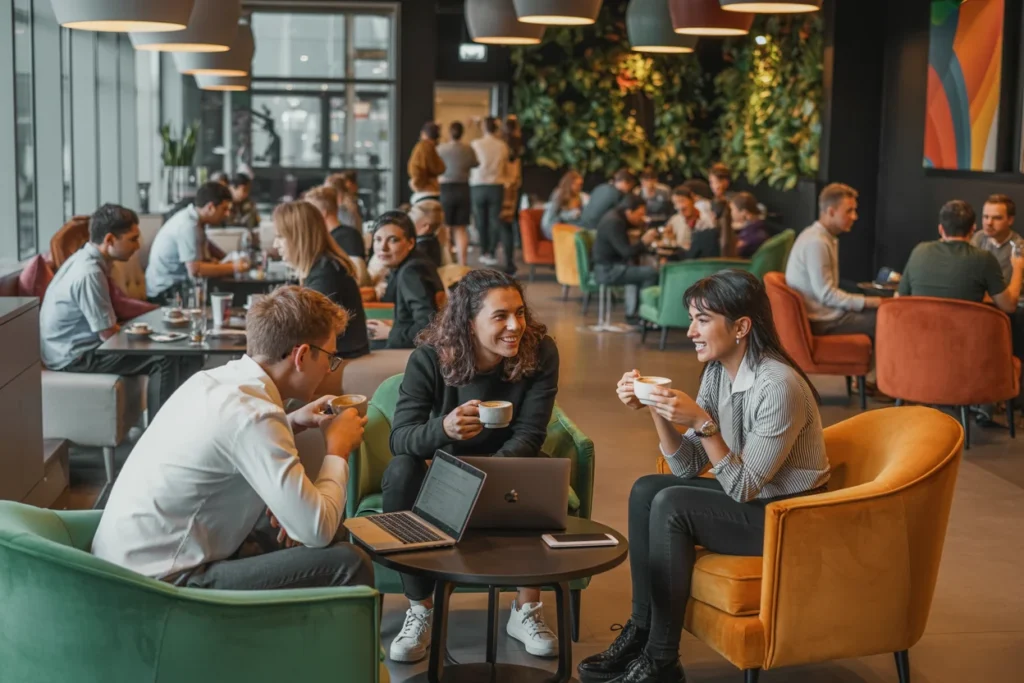
Communal kitchens, lounges, and recreational areas are integral to coworking space design. These areas allow individuals to socialize, form friendships, and create a sense of community. Social interaction not only reduces feelings of isolation but also enhances job satisfaction and motivation.
7. Supports Diverse Work Styles
A thoughtfully designed coworking space accommodates introverts, extroverts, and hybrid workers alike. Private booths, collaborative tables, and casual lounge areas cater to different working preferences. This inclusivity ensures everyone can thrive in their own preferred style of working.
8. Encourages Learning and Skill Sharing
Coworking spaces often host workshops, seminars, and networking events within their design layout. Flexible spaces for events allow professionals to learn from one another and share expertise. These interactions foster continuous growth and development among members.

9. Inspires Professionalism
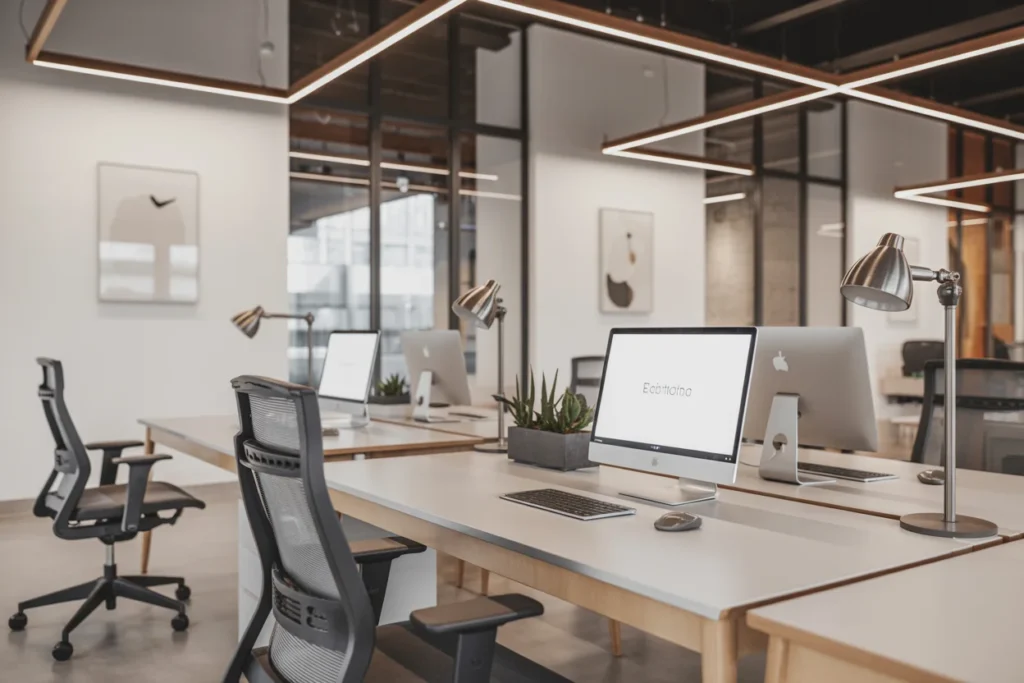
A clean, modern, and well-organized design creates a professional environment for members and visiting clients. Professional aesthetics like stylish furniture, artwork, and branded decor reinforce credibility. Members feel motivated to maintain high standards in their own work when surrounded by a polished environment.
10. Encourages Flexibility for Startups
Coworking spaces are ideal for startups due to their flexible design and scalable options. Teams can expand or downsize easily without worrying about long-term leases. The adaptability of the layout supports changing business needs and future growth.
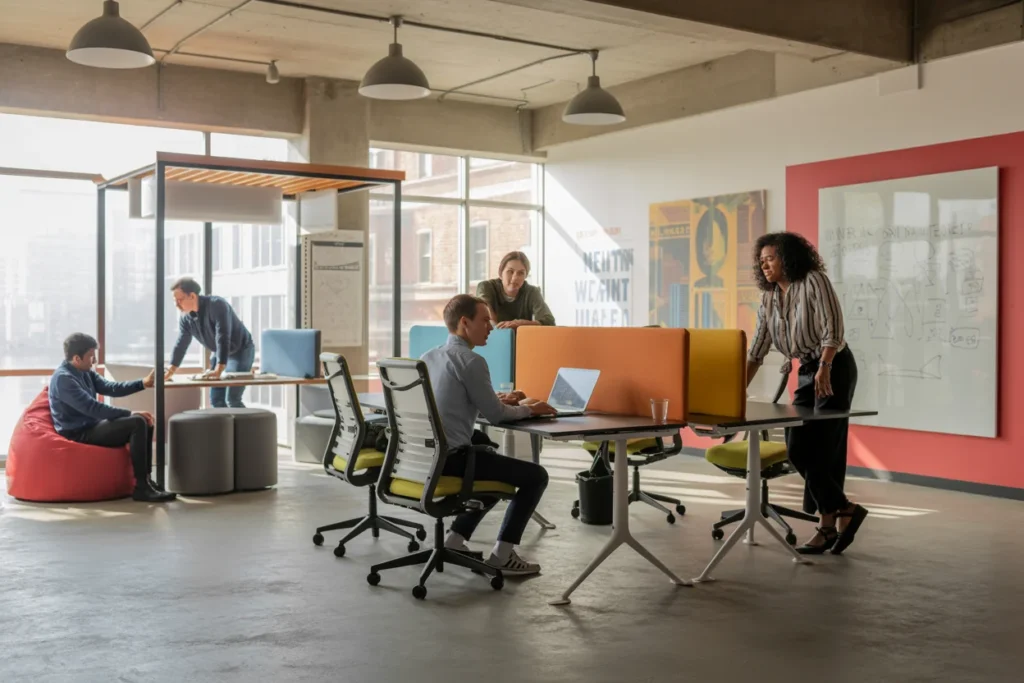
11. Fosters a Sense of Community
The social design of coworking spaces nurtures a supportive community of professionals. Community boards, group lounges, and shared activities create an inclusive culture. Feeling part of a community boosts morale, engagement, and collaboration.
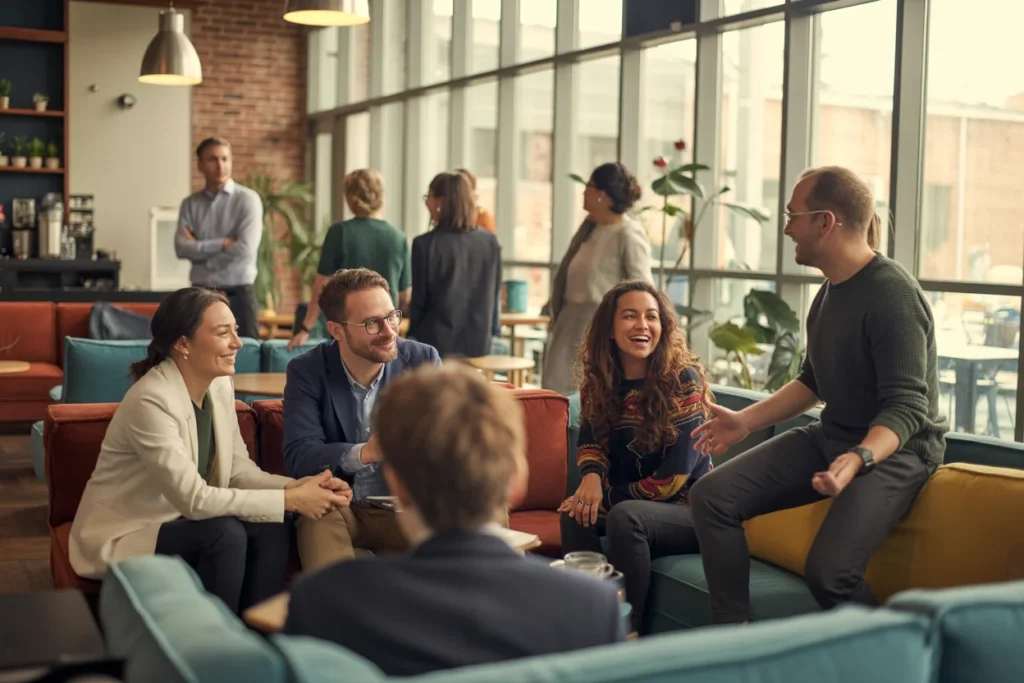
12. Reduces Operational Costs
Shared facilities such as conference rooms, printers, and kitchens lower costs for individual members and small businesses. Efficient use of space and resources ensures affordability while maintaining high-quality amenities. This smart design approach makes coworking accessible to more people.
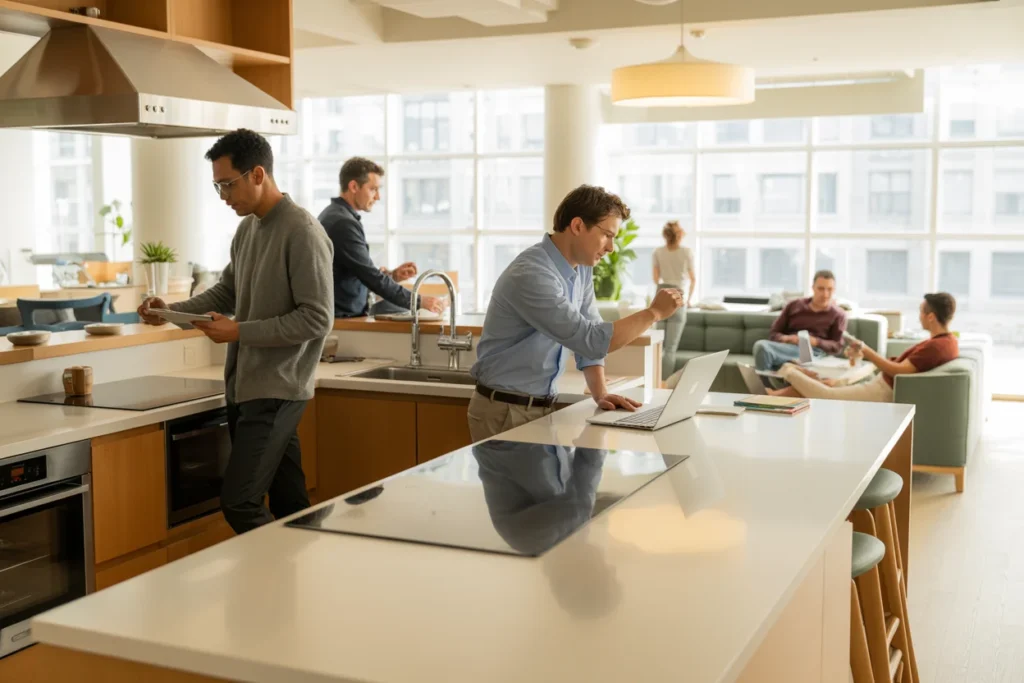
13. Provides Inspiration Through Interior Design
Design elements like natural textures, minimalist decor, and open layouts inspire members daily. Thoughtful aesthetics create an environment where creativity and focus flourish. Even small design touches, like accent walls or lighting, can make a big difference in motivation.
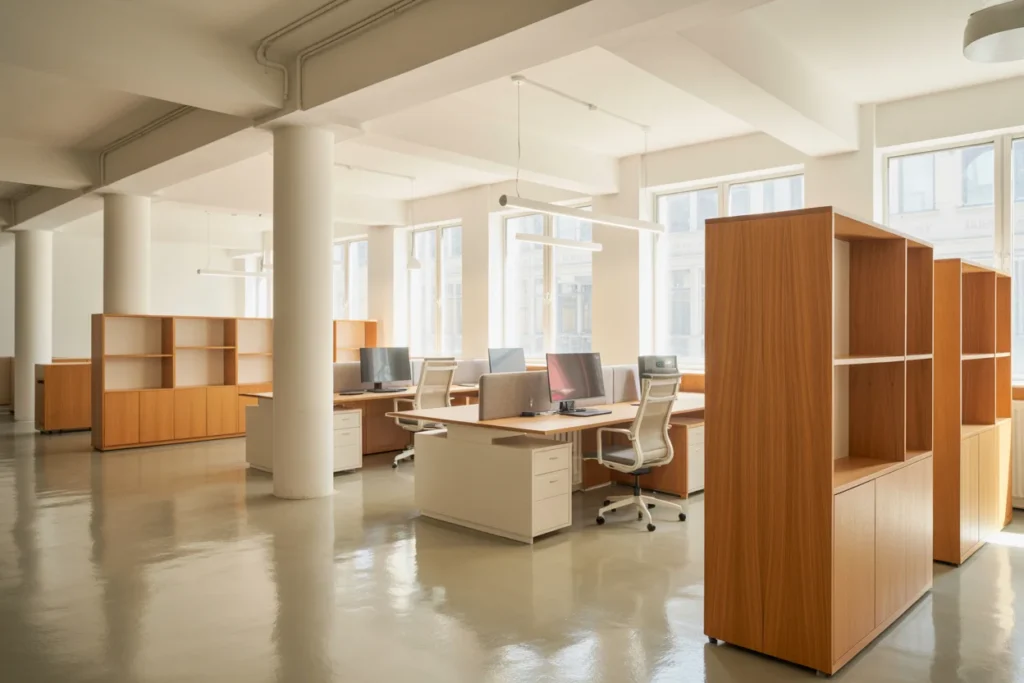
14. Supports Networking Opportunities
Coworking layouts encourage interactions with like-minded professionals. Shared seating and networking corners make it easy to meet potential collaborators. This design-driven connectivity can lead to business opportunities and partnerships.
15. Encourages Sustainability and Eco-Friendly Design
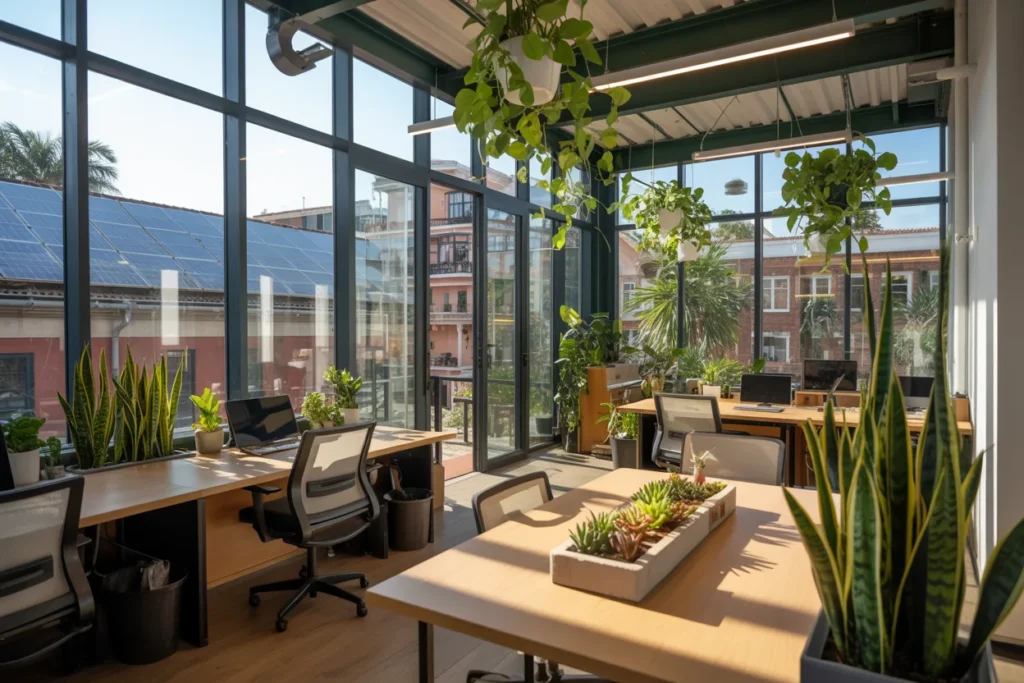
Many coworking spaces integrate sustainable practices like energy-efficient lighting, recycled furniture, and green walls. Sustainable design not only reduces environmental impact but also appeals to environmentally conscious members. It creates a positive brand image for businesses operating from the space.
16. Enhances Motivation and Job Satisfaction
A thoughtfully designed coworking environment boosts motivation by combining aesthetics, functionality, and social interaction. Members feel valued and productive when their workspace is comfortable and inspiring. Over time, this leads to higher engagement, satisfaction, and overall success.

Join the Conversation