
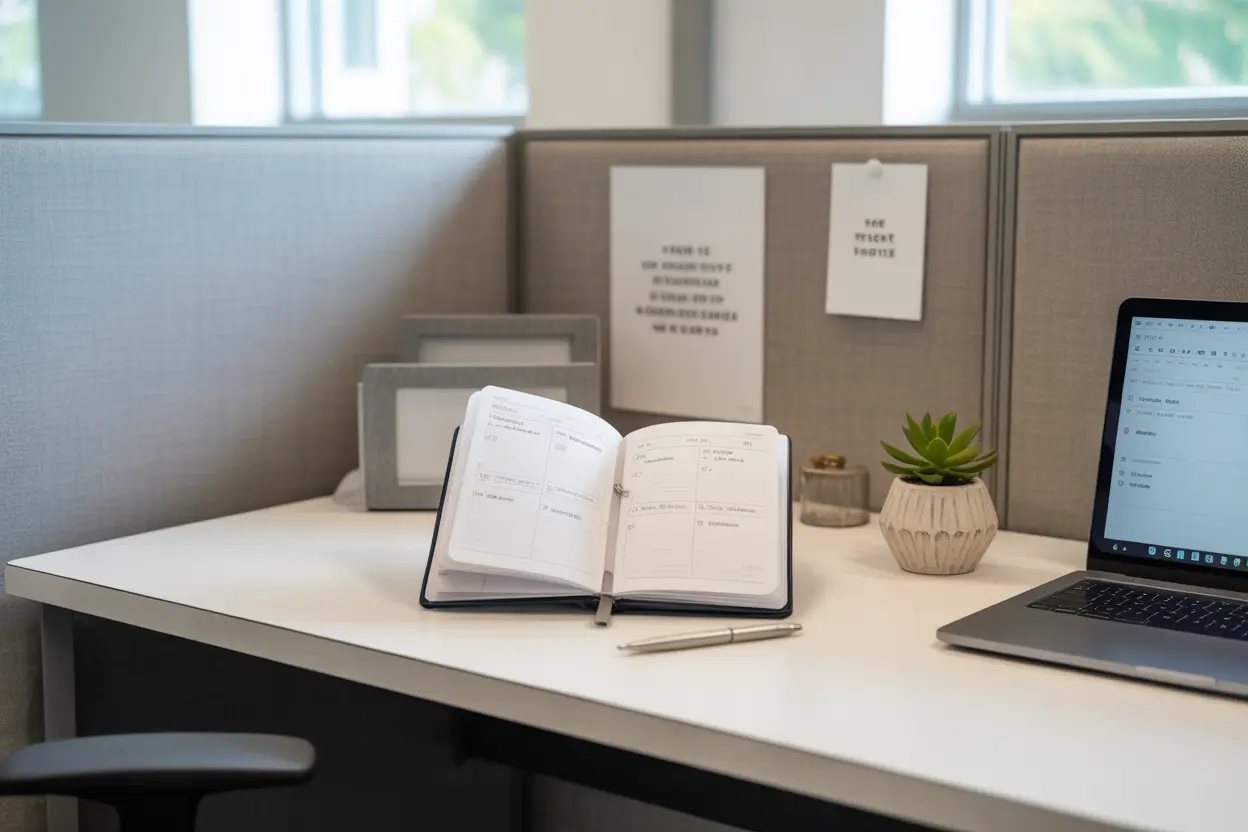
Designing a workspace that supports focus and reduces distractions is especially important for people with ADHD. A well-designed work cubicle can improve concentration, reduce stress, and help maintain productivity throughout the day. Small changes in layout, lighting, colors, and organization can make a significant difference in how comfortable and efficient the workspace feels.
An ADHD-friendly cubicle focuses on minimizing distractions, creating visual clarity, and adding elements that encourage motivation and mental clarity. Here are practical ideas to help design a work cubicle that supports focus and productivity.
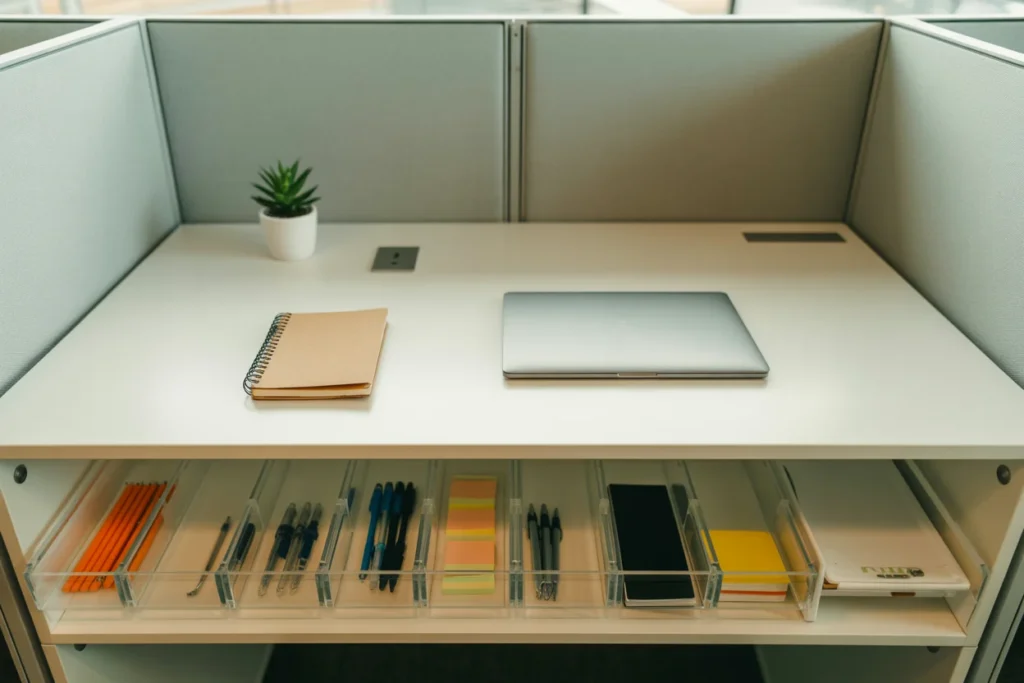
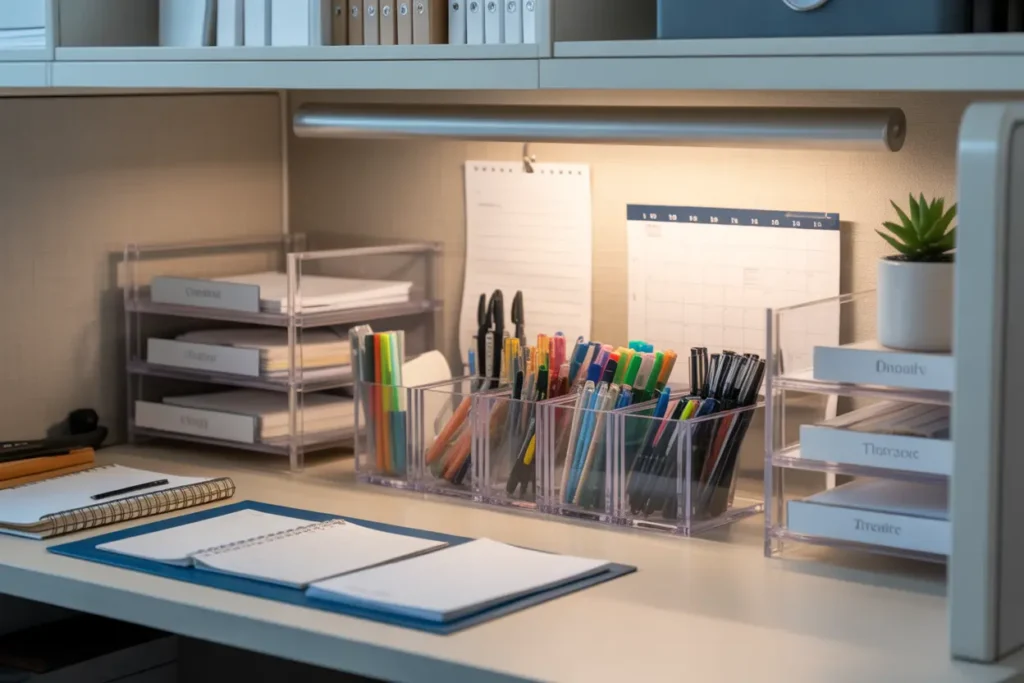
Clutter can quickly overwhelm the mind and make it difficult to concentrate. An ADHD-friendly cubicle should have only essential items on the desk to reduce visual distractions. A clean workspace makes it easier to focus on tasks without feeling mentally overloaded.
Use drawer organizers, small storage boxes, or desk trays to keep documents and supplies neatly arranged. Keeping the desktop simple and organized helps create a calm environment that supports productivity.
Use Neutral and Calm Colors
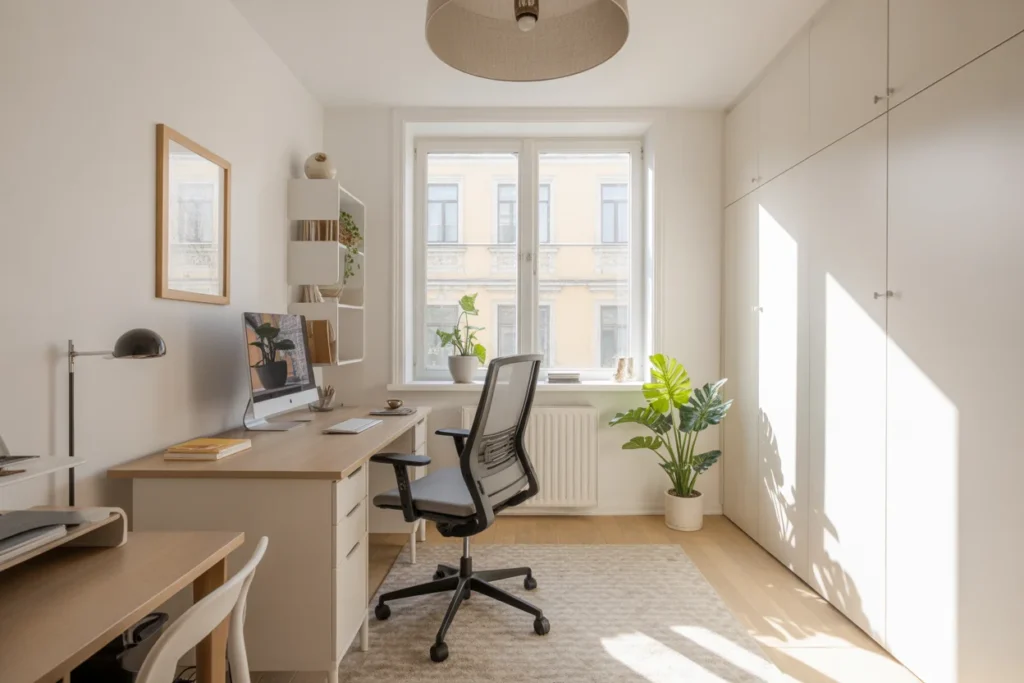
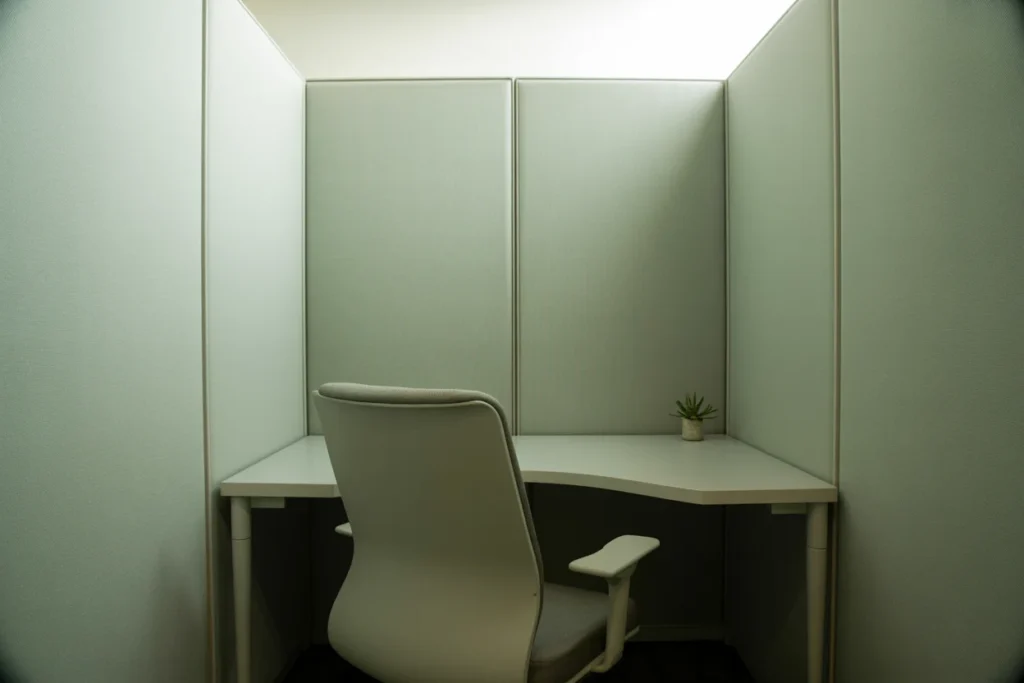
Cozy décor in ADHD-friendly work cubicles helps maintain focus and comfort throughout the day. Bright and overly stimulating colors can be distracting in a workspace. Neutral tones like soft gray, beige, or muted blue create a calm and balanced environment that supports focus.
These colors help reduce visual noise while maintaining a pleasant atmosphere. Adding small accents like a plant or subtle artwork can keep the space interesting without being overwhelming.
Improve Lighting for Better Focus
Lighting plays an important role in productivity and concentration. Natural light is ideal because it helps regulate energy levels and improves mood.
If natural light is not available, use a soft desk lamp with warm or daylight bulbs. Proper lighting reduces eye strain and keeps the workspace comfortable during long work sessions.
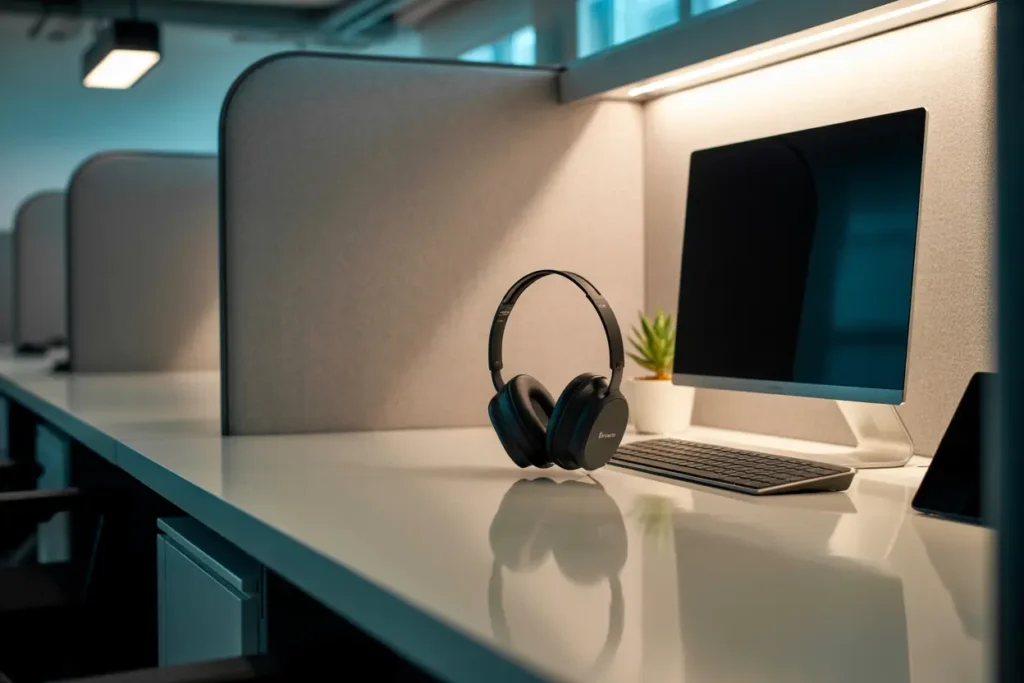
Use Noise Reduction Tools
Noise can easily distract people with ADHD. Using noise-canceling headphones or soft background sounds can help maintain concentration.
If possible, add small acoustic panels or fabric wall boards to reduce surrounding noise. Creating a quieter environment makes it easier to stay focused on tasks.
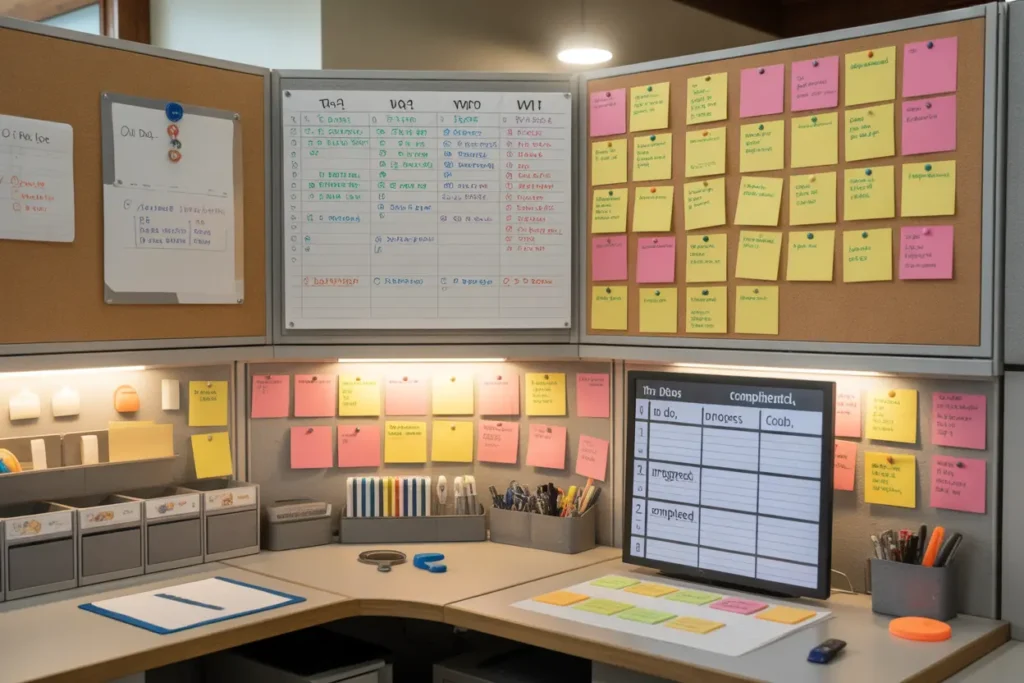
Add a Visual Task Board
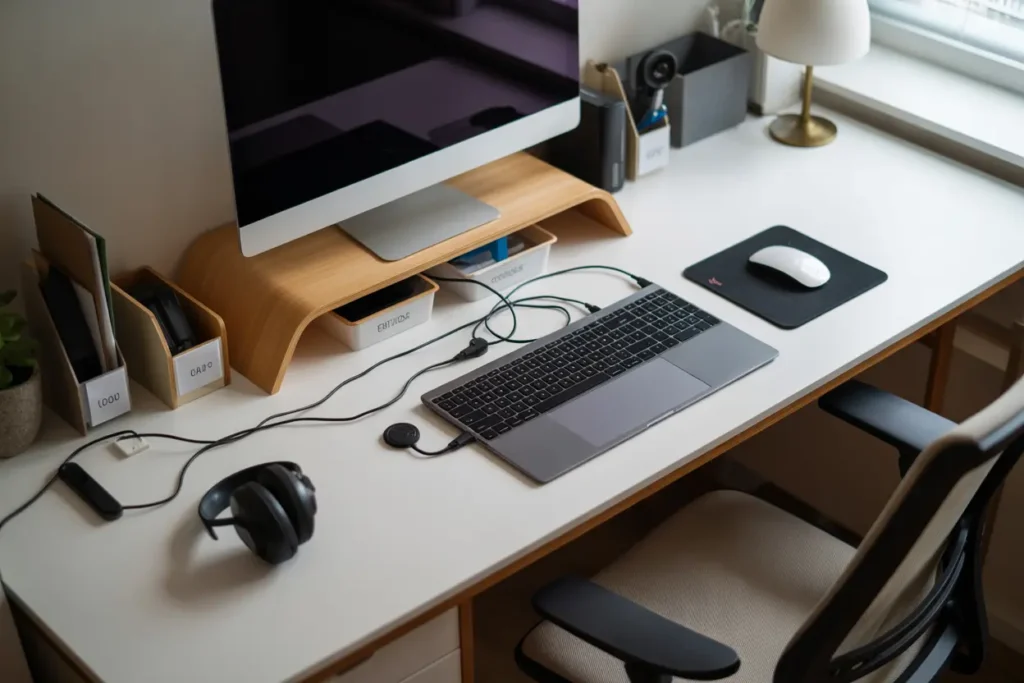
Use Cable Management for a Clean Look
Messy cables can make a desk feel chaotic and distracting. Keeping wires organized helps maintain a clean and visually calming workspace.
Use cable clips, sleeves, or hidden cable trays to keep technology organized. A neat tech setup improves both aesthetics and functionality.
Add a Small Plant for Calm Energy
Plants can help reduce stress and improve mood in a workspace. Even a small plant can make a cubicle feel more comfortable and refreshing.
Greenery introduces natural elements that support relaxation and focus. Low-maintenance plants such as snake plants or pothos work well for office environments.
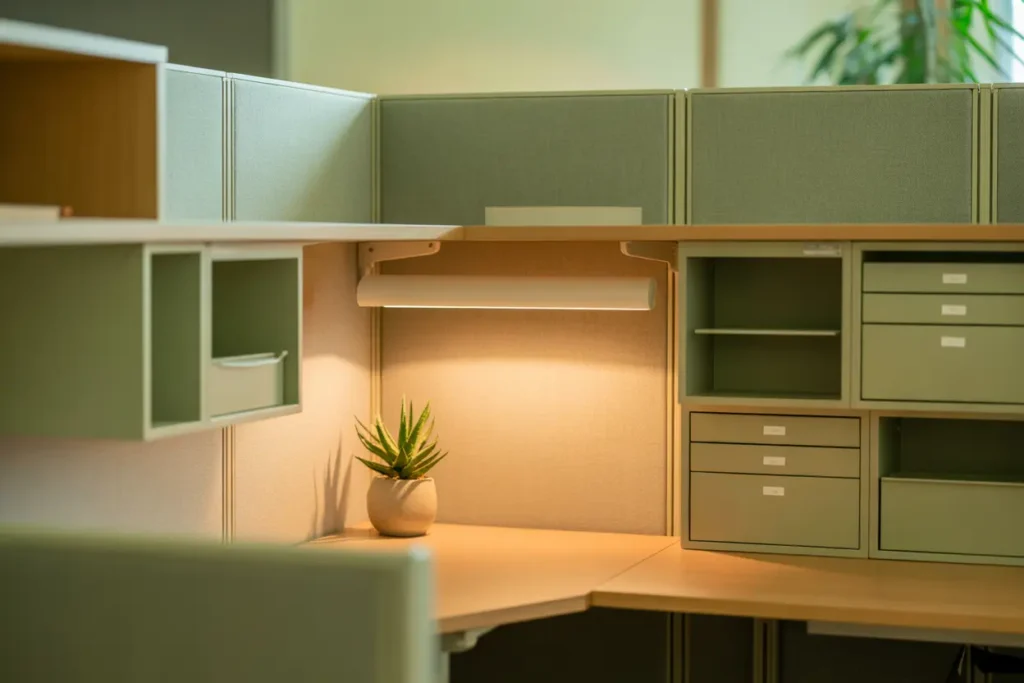
Use Dividers to Reduce Visual Distractions
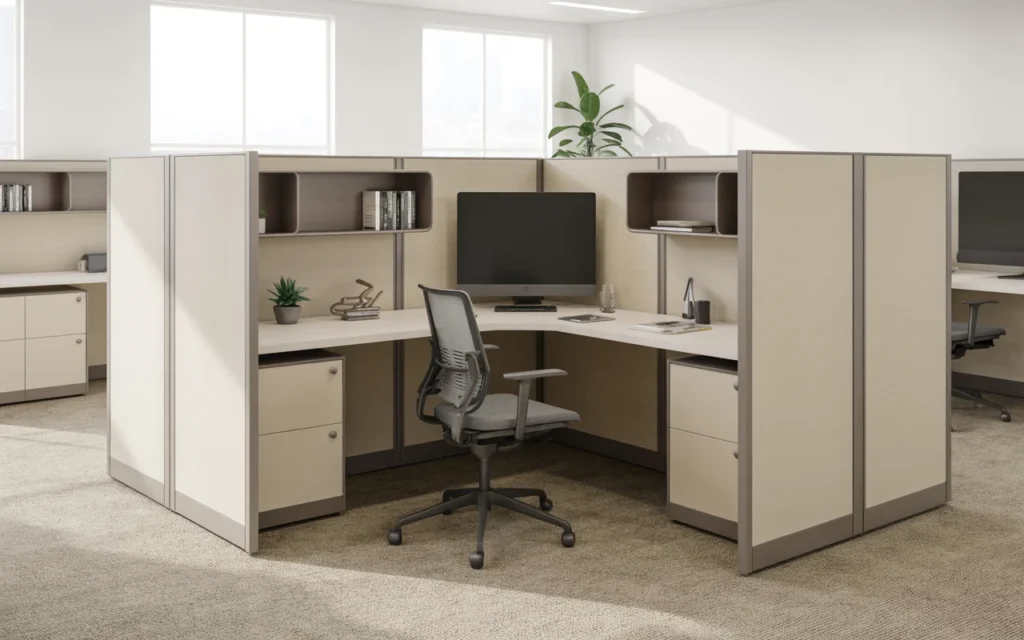
Open offices can be visually overwhelming. Cubicle dividers or small desk screens can help limit distractions from surrounding activity.
These barriers create a more private workspace and help maintain focus. Even simple desk panels can significantly improve concentration.
Keep Tools Within Easy Reach
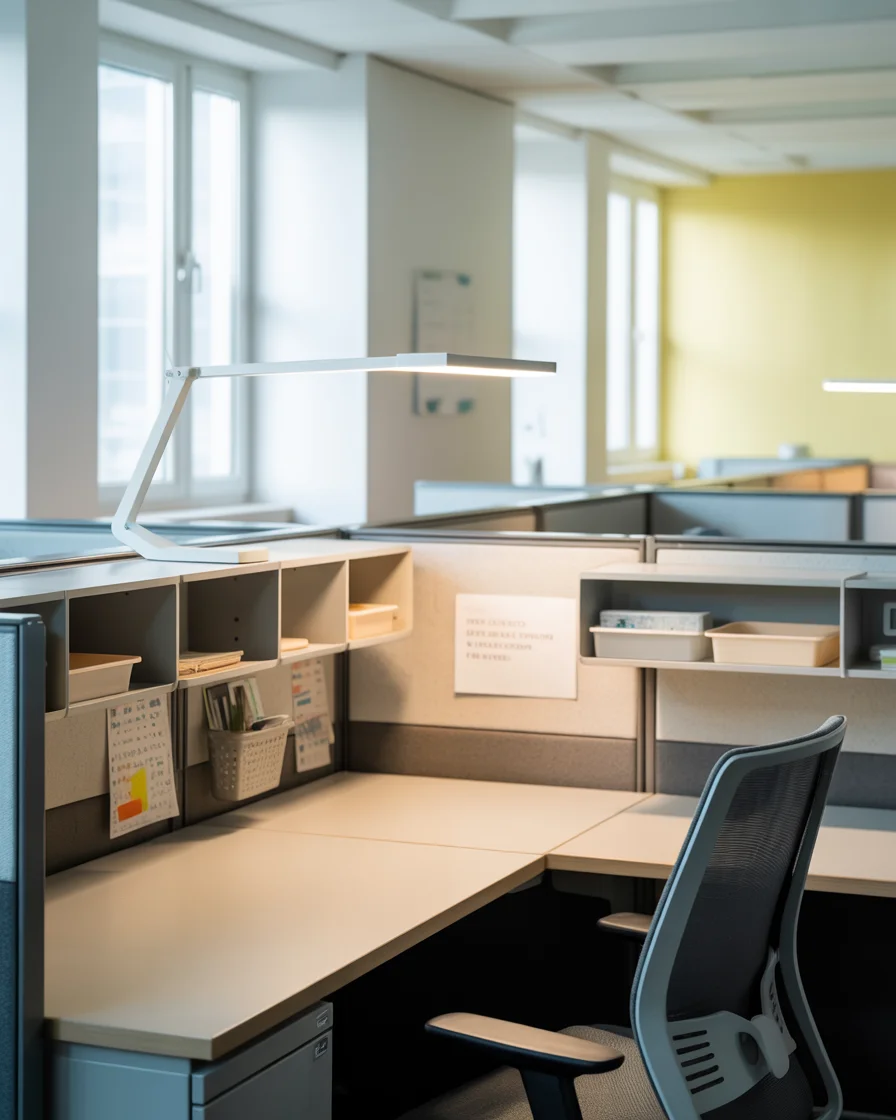
An ADHD-friendly workspace should reduce the need to constantly search for items. Keeping frequently used tools within arm’s reach saves time and reduces frustration.
Use small trays, desk organizers, or vertical holders for items like pens, notebooks, or chargers. This layout supports efficient workflow.
Create a Consistent Workspace Routine
A well-designed cubicle works best when combined with daily habits. At InteriorInspo, starting and ending each day by organizing the workspace helps maintain clarity and structure.
Consistency helps build focus and reduces the mental effort required to begin tasks. A tidy cubicle, as highlighted by interiorinspo, supports long-term productivity and mental balance.
Join the Conversation