







Is Your Sink Water Pressure Low? Quick Repair Tip 1
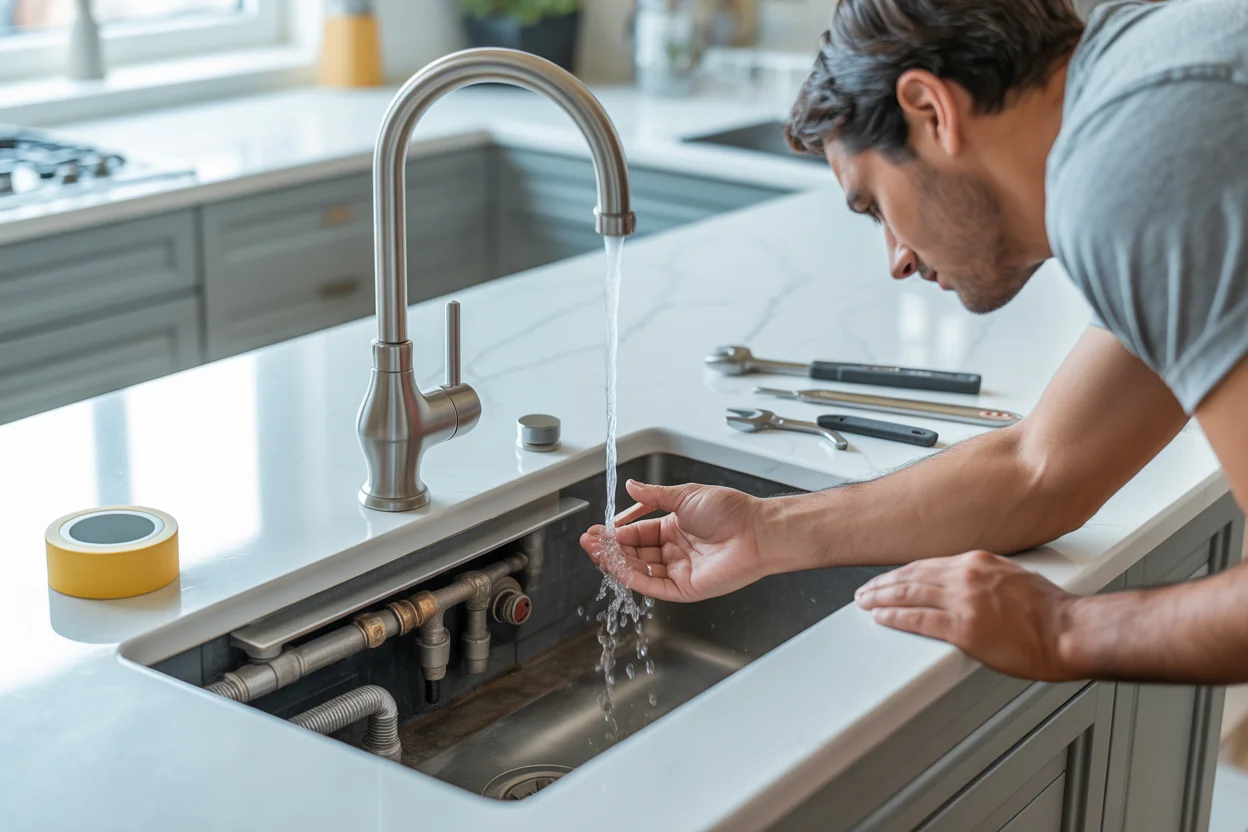
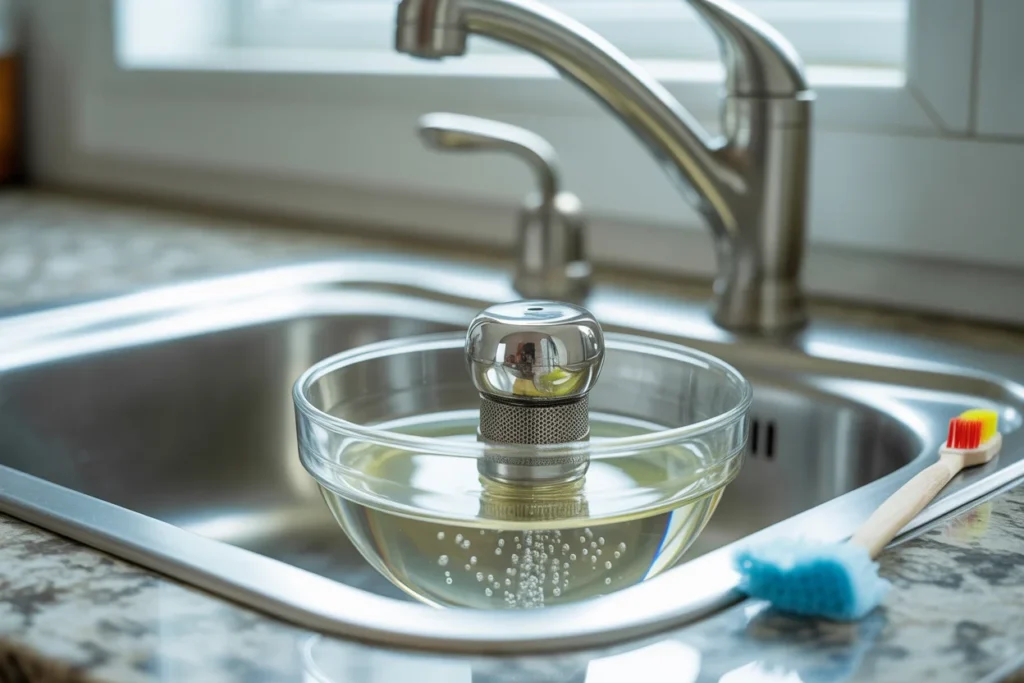
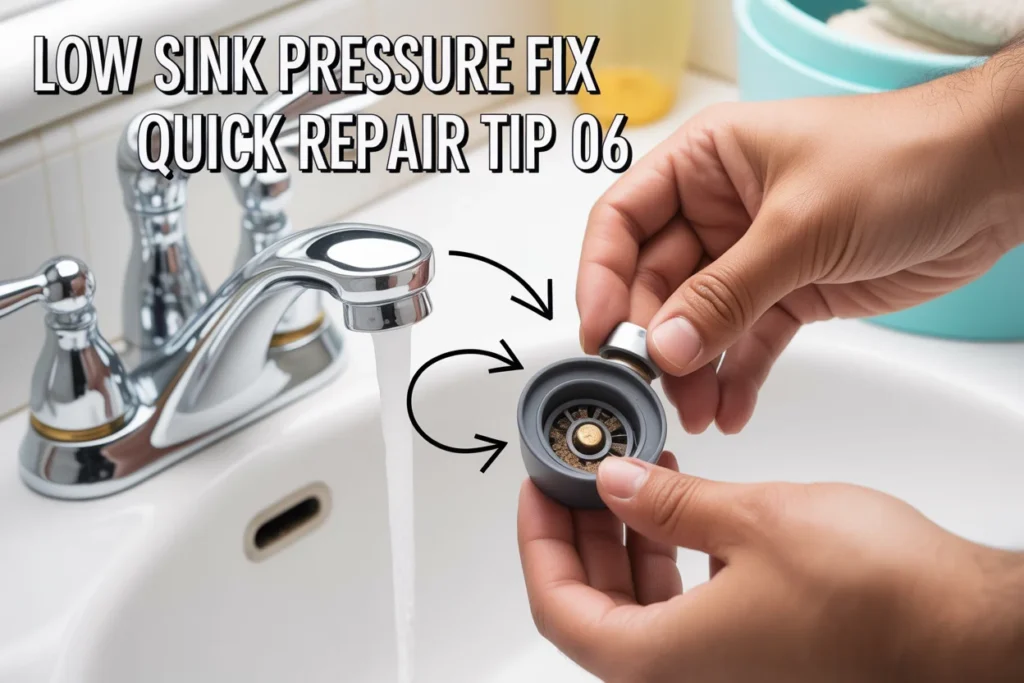
Low water pressure in your kitchen sink is often caused by a clogged aerator. This small screen at the tip of the faucet collects mineral deposits over time. In many USA homes, hard water buildup is the main reason for weak flow. Removing and cleaning the aerator can instantly improve pressure. This is one of the fastest fixes you can try at home.
To clean it, unscrew the aerator and soak it in vinegar for 30 minutes. Scrub gently with a toothbrush to remove debris. Reattach it tightly and test the water flow again. This simple maintenance step can restore strong pressure quickly. It is an easy and cost-free solution for most kitchens.
Low Sink Pressure Fix Quick Repair Tip 02
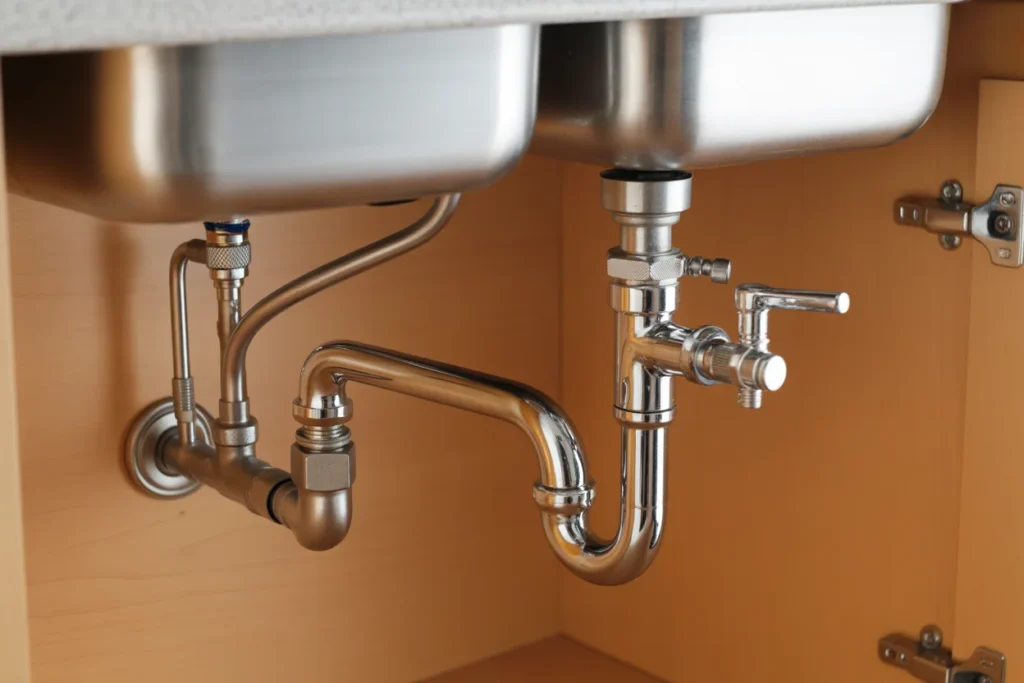
A partially closed shut-off valve can reduce water pressure significantly. This valve is usually located under the sink in most USA kitchens. If it is not fully open, water flow becomes restricted. Checking this is one of the easiest troubleshooting steps. Many homeowners overlook this simple issue.
Turn the valve counterclockwise to ensure it is fully open. Be careful not to force it too hard. After adjusting, test the faucet pressure immediately. This small fix often restores normal water flow instantly. It is a quick and effective solution.
Low Sink Pressure Fix Quick Repair Tip 03
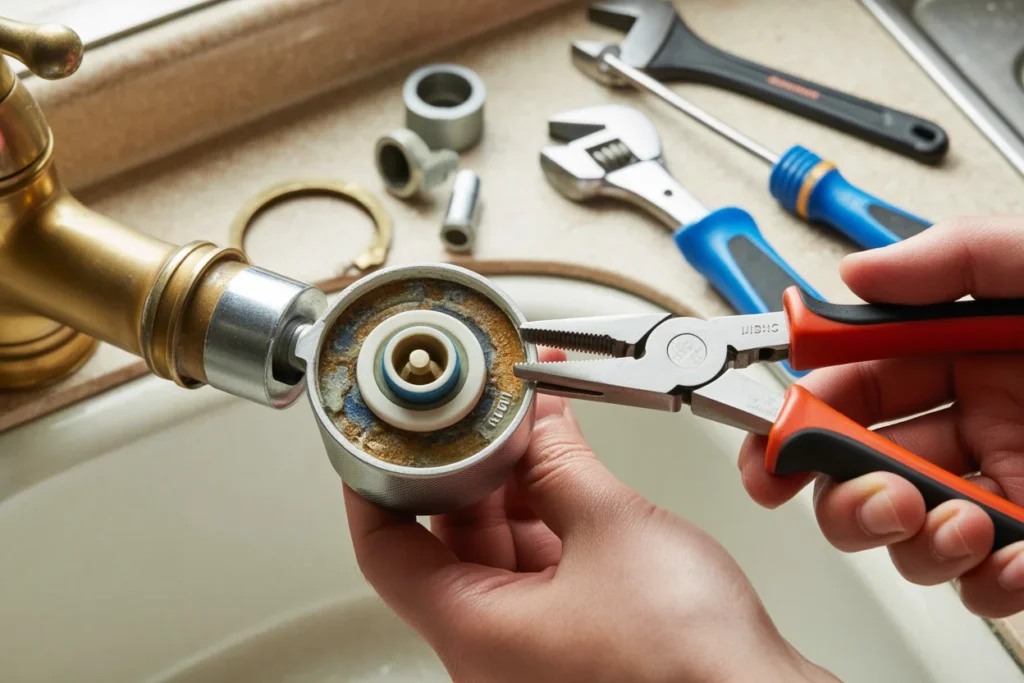
Clogged faucet cartridges can also cause low water pressure. These internal parts regulate water flow and can get blocked with debris. This issue is common in modern USA faucets. Replacing or cleaning the cartridge often solves the problem. It helps restore smooth water flow.
Turn off the water supply before removing the faucet handle. Carefully take out the cartridge and inspect it. Clean or replace it if necessary. Reassemble and test the pressure again. This repair improves performance significantly.
Low Sink Pressure Fix Quick Repair Tip 04
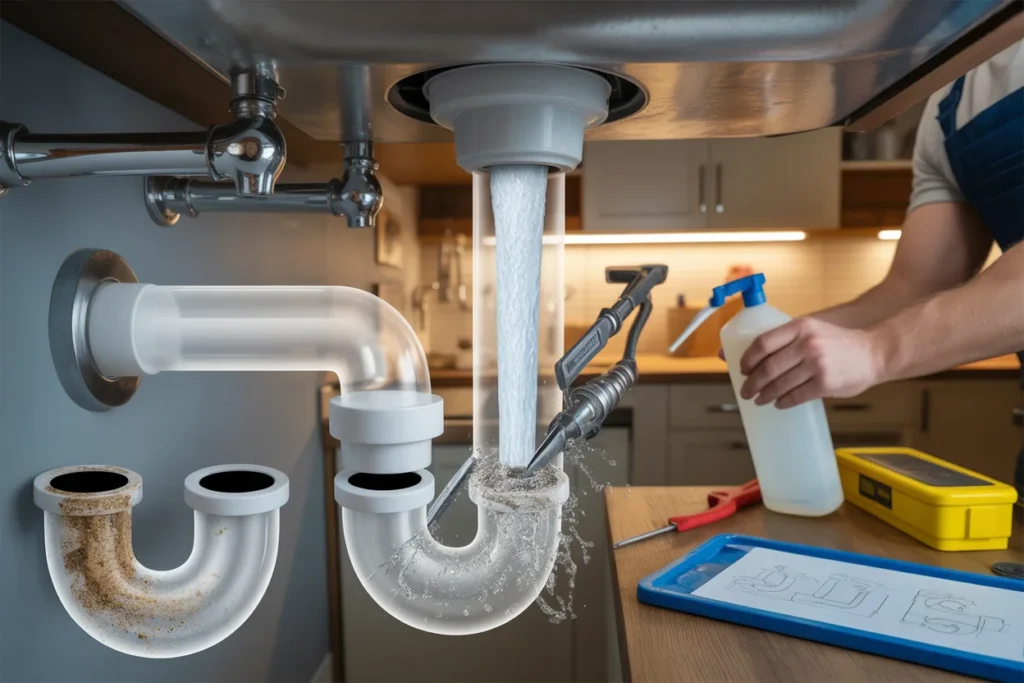
Hard water buildup inside pipes can reduce overall pressure. This is especially common in many USA regions with mineral-rich water. Over time, deposits restrict water flow. Flushing the pipes can help improve performance. It is a useful maintenance step.
Run hot water for several minutes to help clear buildup. You can also use safe descaling solutions. This helps break down mineral deposits inside the system. Regular cleaning prevents future blockages. It keeps water flowing smoothly.
Low Sink Pressure Fix Quick Repair Tip 05
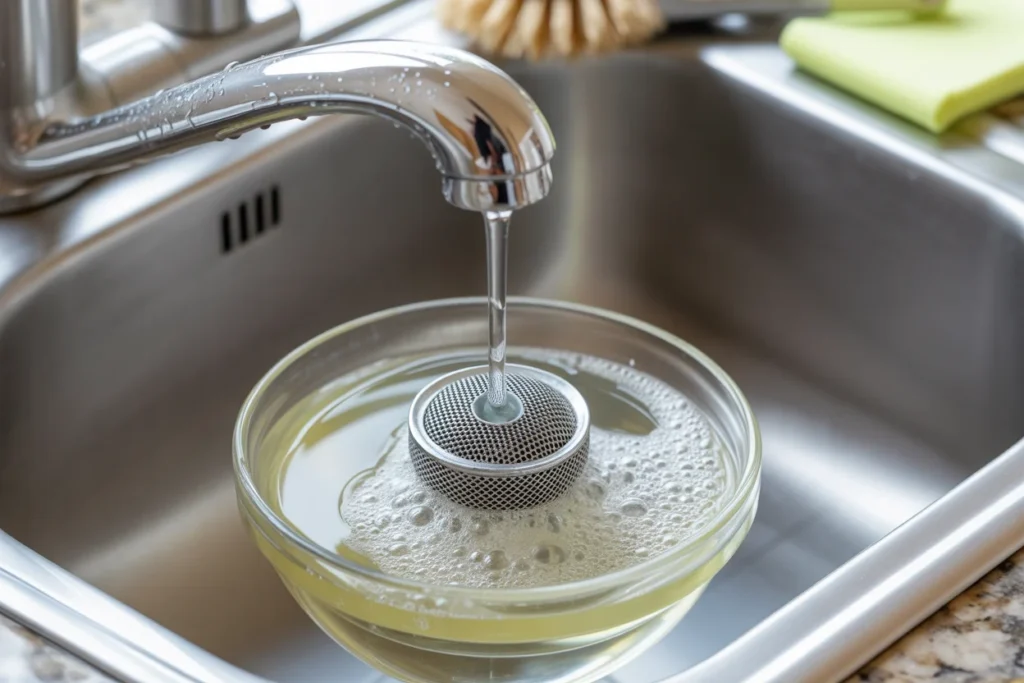
A dirty faucet aerator screen is one of the most common issues. It traps sand, rust, and minerals from water supply. In USA homes, this happens frequently due to aging pipes. Cleaning it improves pressure instantly. It is a very simple fix.
Remove the aerator and rinse it under warm water. Use a brush to clean stubborn particles. Soak it in vinegar for deep cleaning. Reinstall it carefully after drying. This restores strong water pressure quickly.
Low Sink Pressure Fix Quick Repair Tip 06
Water supply line kinks can restrict flow under the sink. This happens when flexible pipes bend or twist. Many USA kitchens face this issue in tight cabinet spaces. Straightening the line can improve pressure instantly. It is easy to check visually.
Open the cabinet and inspect all water lines. Straighten any bent hoses gently. Make sure nothing is pressing against them. Test the faucet after adjustment. This ensures smooth water delivery.
Low Sink Pressure Fix Quick Repair Tip 07
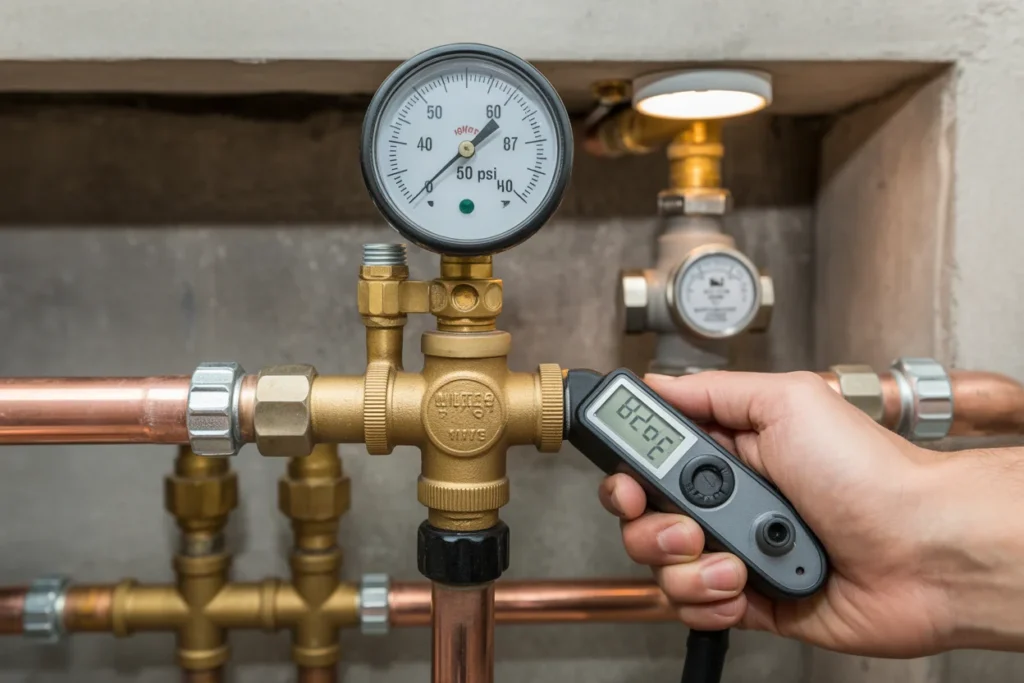
Low Sink Pressure Fix: Quick Repair Tip 08
Blocked water supply pipes can reduce sink pressure significantly. Dirt and rust build up over time inside pipes. This is common in older USA homes. Flushing the system can help clear debris. It improves water flow efficiency.
Turn off the main supply before flushing. Open faucets to release trapped buildup. Allow water to run until clear. This process removes internal blockages. It helps restore normal pressure.
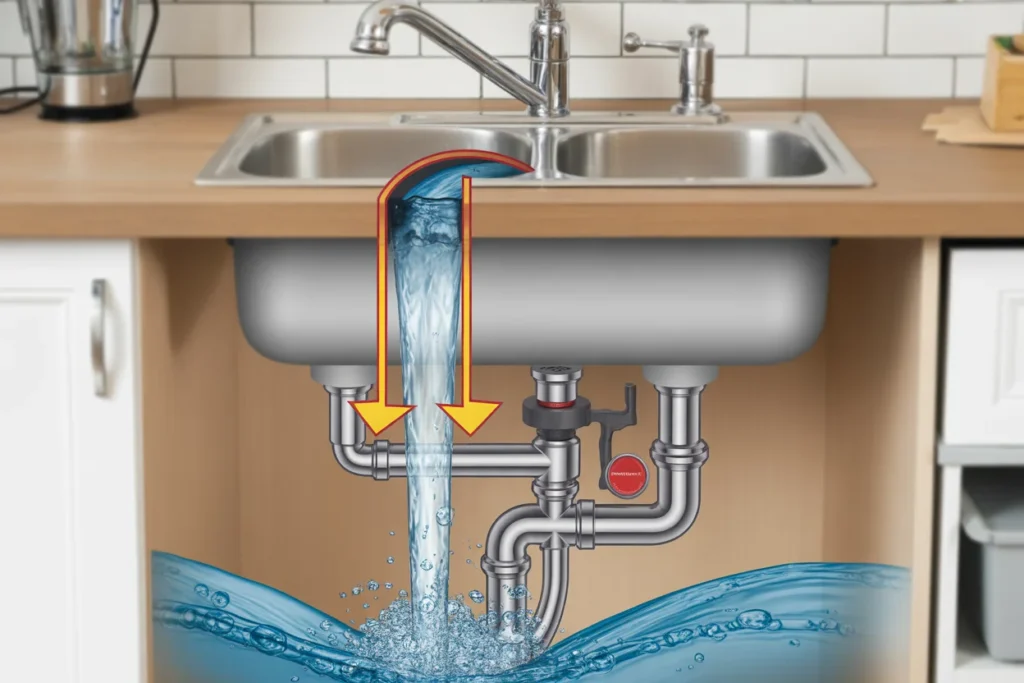
Low Sink Pressure Fix: Quick Repair Tip 09
A leaking pipe connection can reduce water pressure. Even small leaks affect overall flow efficiency. This issue is common under kitchen sinks in USA homes. Tightening connections often solves the problem. It is an important inspection step.
Check all joints under the sink carefully. Use a wrench to tighten loose fittings. Replace damaged seals if needed. Test the faucet after repairs. This improves both pressure and efficiency.
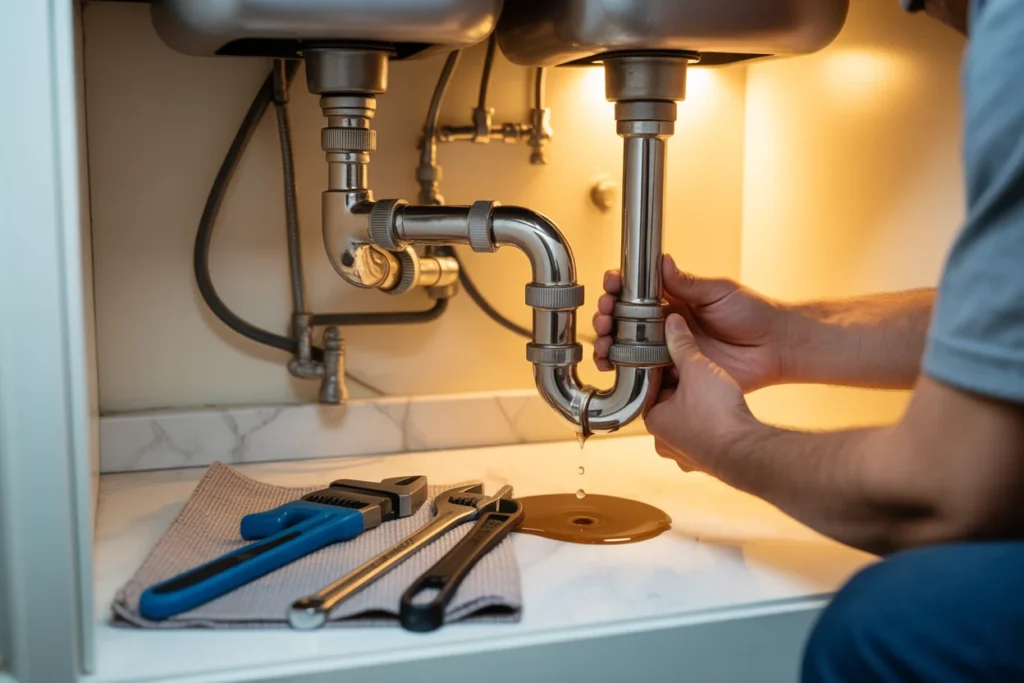
Low Sink Pressure Fix Quick Repair Tip 10
Old or corroded pipes can significantly reduce water pressure. This happens in older USA houses with aging plumbing systems. Rust buildup narrows pipe openings. Replacing damaged sections improves flow. It is a long-term solution.
Consult a plumber for pipe inspection. Identify sections that need replacement. Upgrade to modern PVC or copper pipes. This ensures better water delivery. It improves kitchen performance overall.
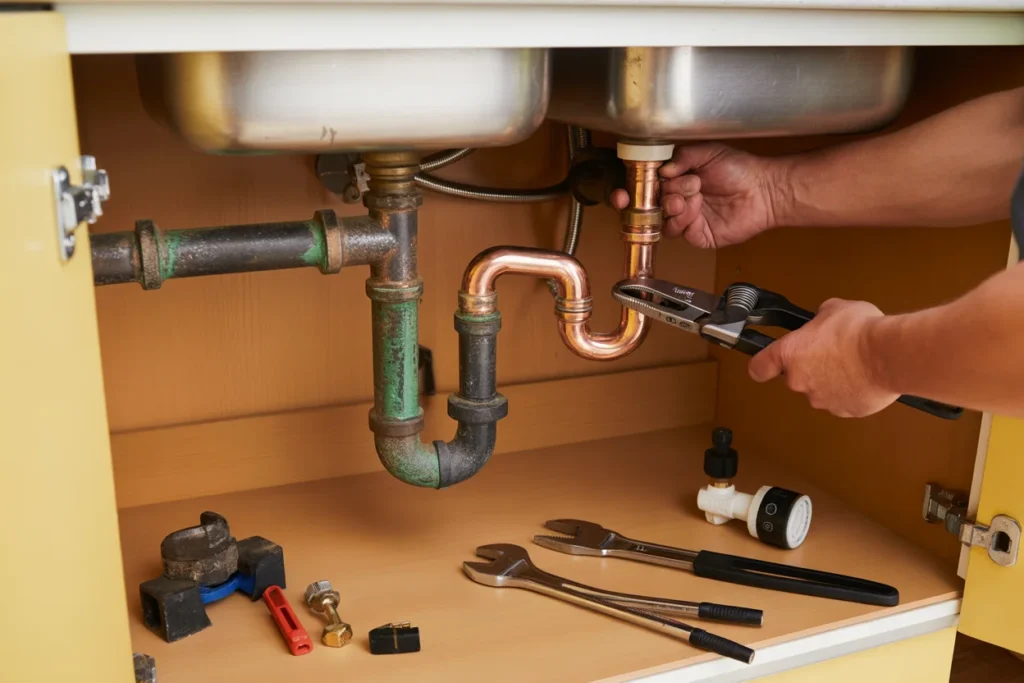
Low Sink Pressure Fix Quick Repair Tip 11
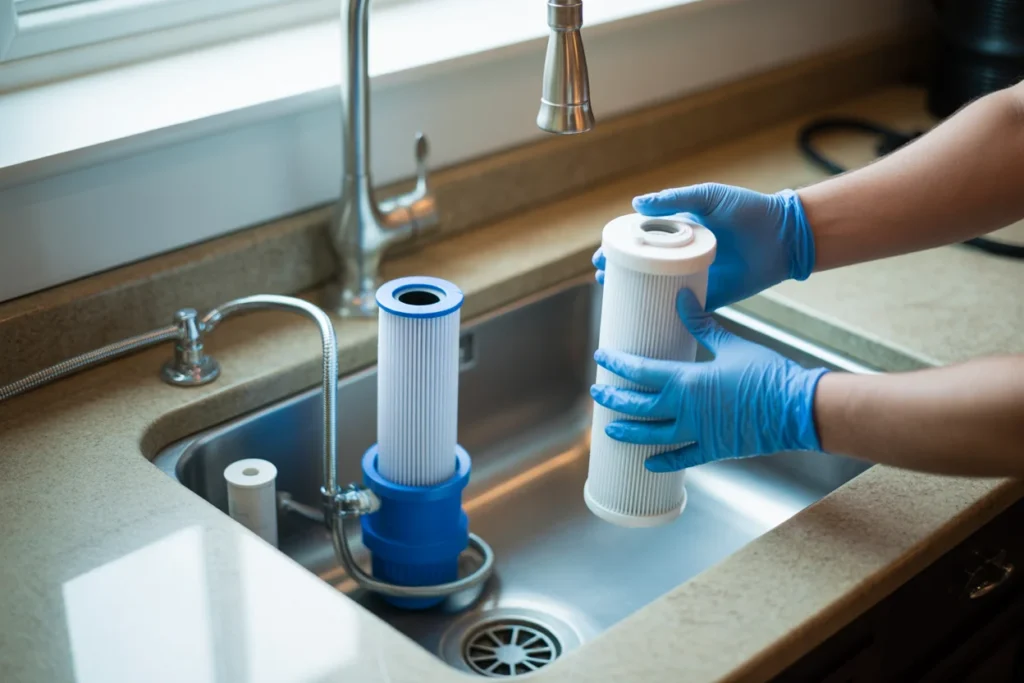
Clogged water filters can block sink pressure. Many USA homes use inline filters for clean water. Over time, these filters become dirty. Cleaning or replacing them restores flow. It is an easy maintenance task.
Remove the filter carefully from the line. Rinse or replace it depending on condition. Reinstall it securely after cleaning. Test water pressure again. This improves both quality and flow.
Low Sink Pressure Fix Quick Repair Tip 12
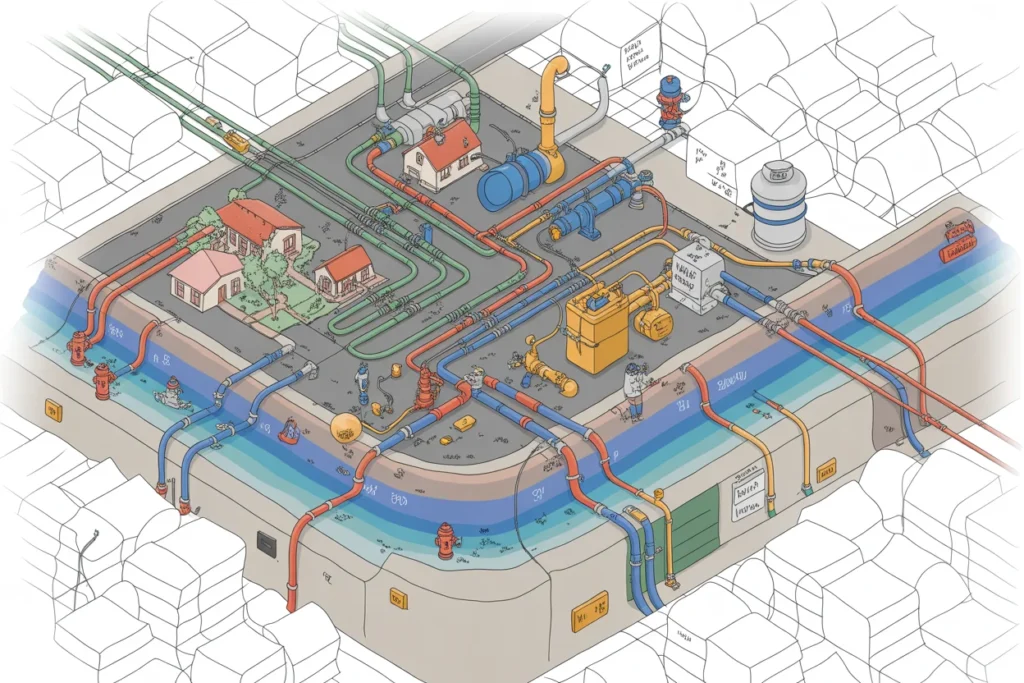
Low municipal water supply pressure can affect your sink. Sometimes the issue is not inside your home. USA neighborhoods may experience temporary pressure drops. Checking with neighbors can confirm this. It helps identify external issues.
Contact your local water supplier if needed. Wait for pressure normalization if it is temporary. Use storage water if required. Monitor changes over time. This helps rule out external causes.
Low Sink Pressure Fix Quick Repair Tip 13
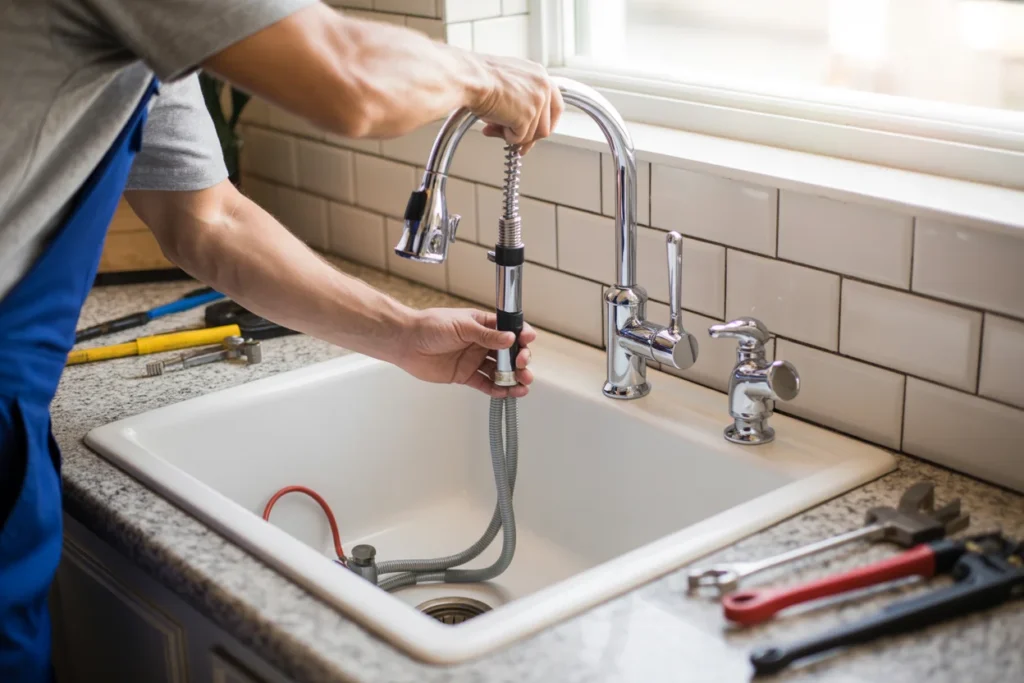
Faulty faucet installation can reduce water flow. Incorrect setup affects pressure output. This is common after DIY installations in USA homes. Rechecking installation fixes many issues. It ensures proper system function.
Inspect faucet alignment and fittings. Tighten all connections properly. Follow manufacturer instructions carefully. Test water pressure afterward. This improves performance significantly.
Low Sink Pressure Fix Quick Repair Tip 14
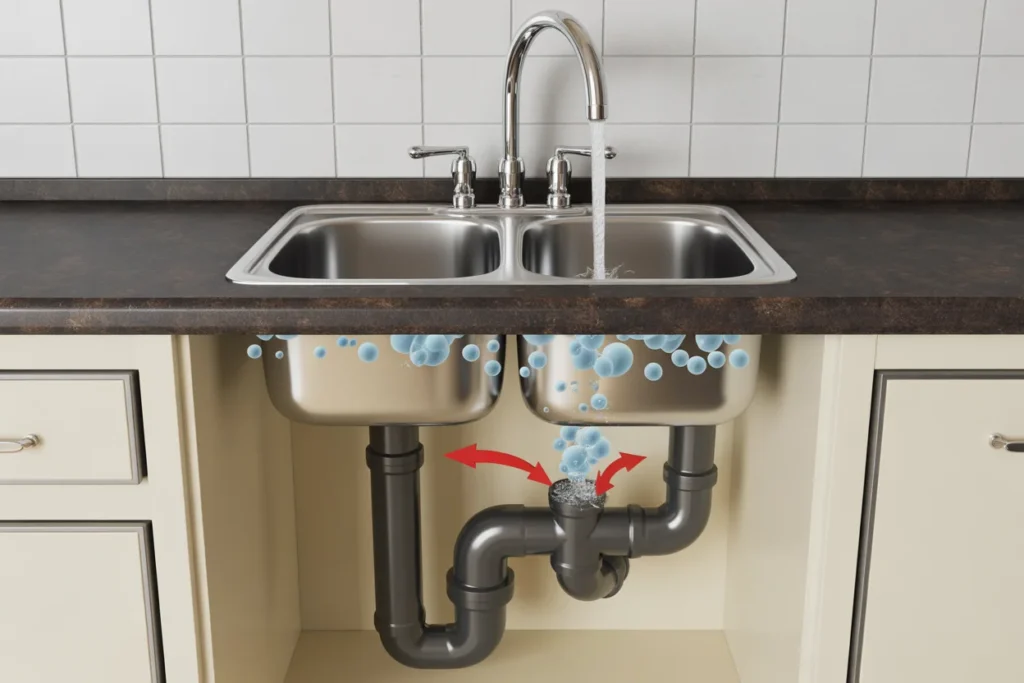
Air trapped in pipes can disrupt water flow. This causes uneven pressure in the kitchen sink. It is a common issue after plumbing repairs. Bleeding the system helps restore flow. It is a simple fix.
Run all faucets in the house for a few minutes. This releases trapped air. Check kitchen sink pressure again. Repeat if necessary. It improves smooth water delivery.
Low Sink Pressure Fix Quick Repair Tip 15
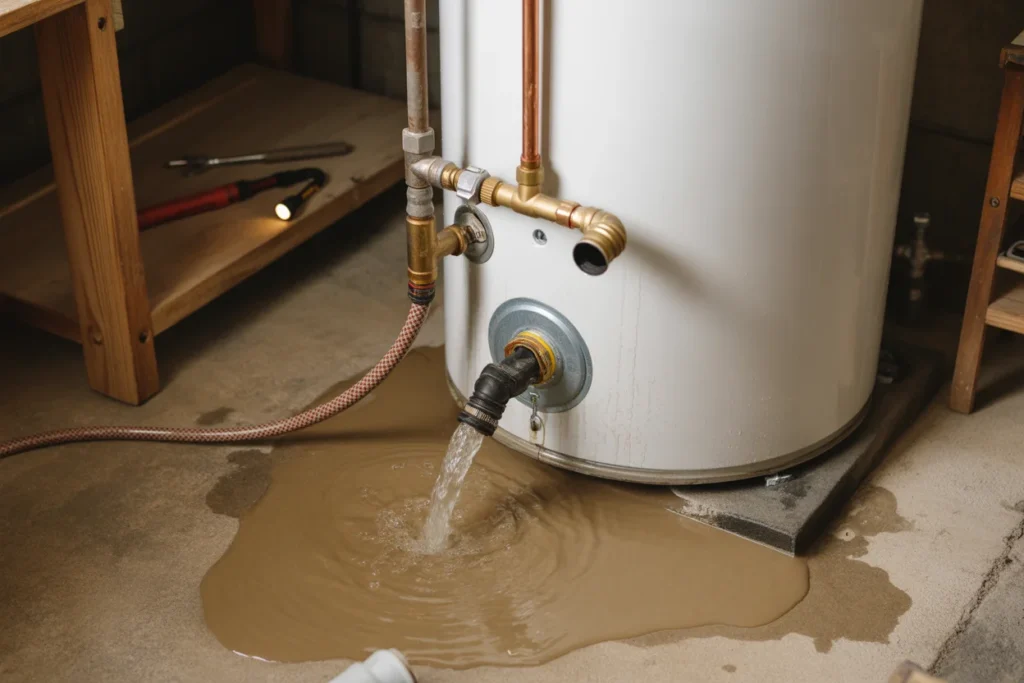
Sediment buildup in water heater lines can affect sink pressure. This is common in USA homes with hard water and can even impact water flow in a bedroom-attached bathroom sink. It reduces overall water flow efficiency and creates weak pressure issues. Flushing the heater helps resolve the issue and improves system performance throughout the home.
Turn off the heater before flushing. Drain sediment carefully from the tank. Refill and restart the system. Test water pressure afterward in both kitchen and bedroom areas to ensure consistent flow and proper functionality.
Low Sink Pressure Fix Quick Repair Tip 16
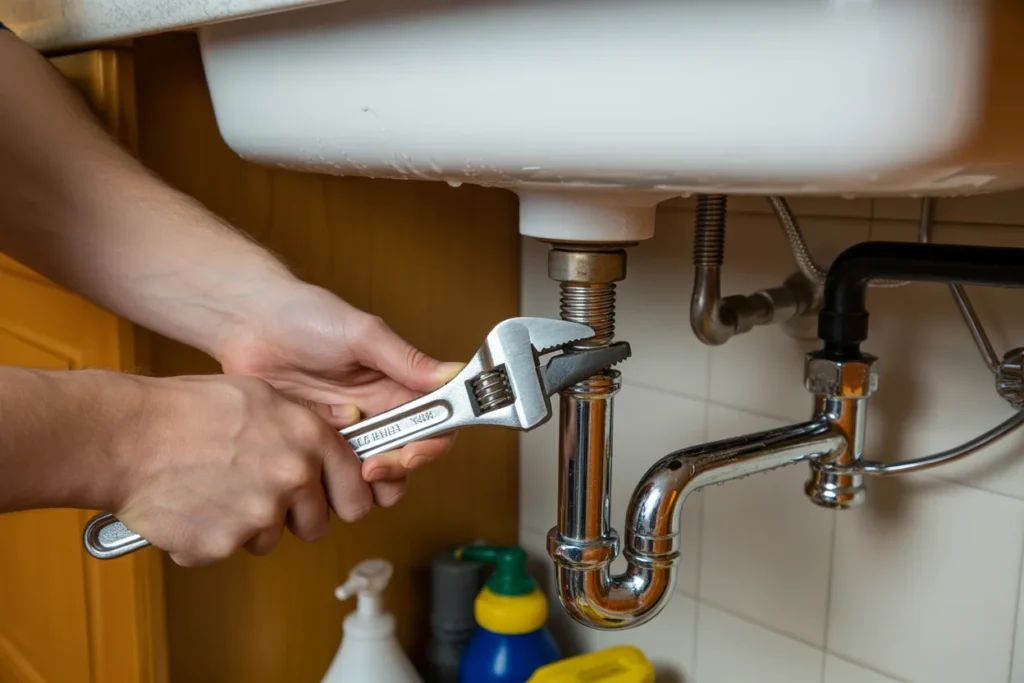
Loose faucet connections can cause weak water flow. Over time, fittings become unstable. This is a common issue in busy USA kitchens. Tightening connections improves pressure. It also prevents leaks.
Inspect all visible faucet joints. Tighten using appropriate tools. Replace worn-out washers if needed. Test the system afterward. This ensures strong and steady flow.
Low Sink Pressure Fix: Quick Repair Tip 17
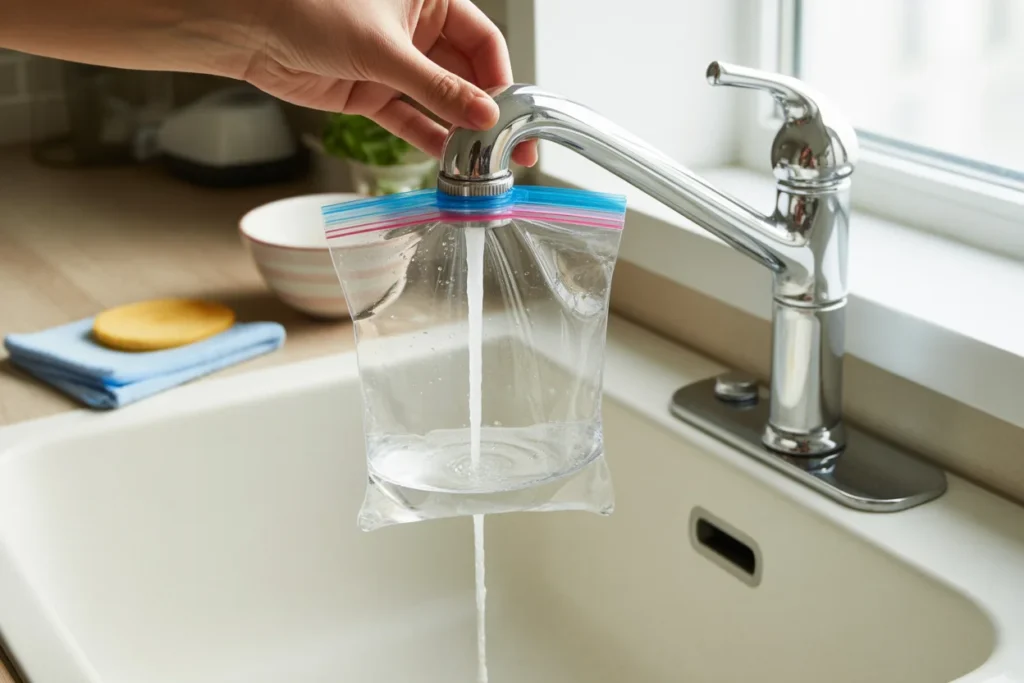
Blocked spray head attachments can reduce pressure. Many modern USA kitchens use spray faucets. Mineral deposits clog small holes easily. Cleaning the spray head restores flow. It is a quick fix.
Detach the spray head carefully. Soak it in vinegar solution. Rinse and reinstall it properly. Test water spray performance. This improves functionality instantly.
Low Sink Pressure Fix Quick Repair Tip 18
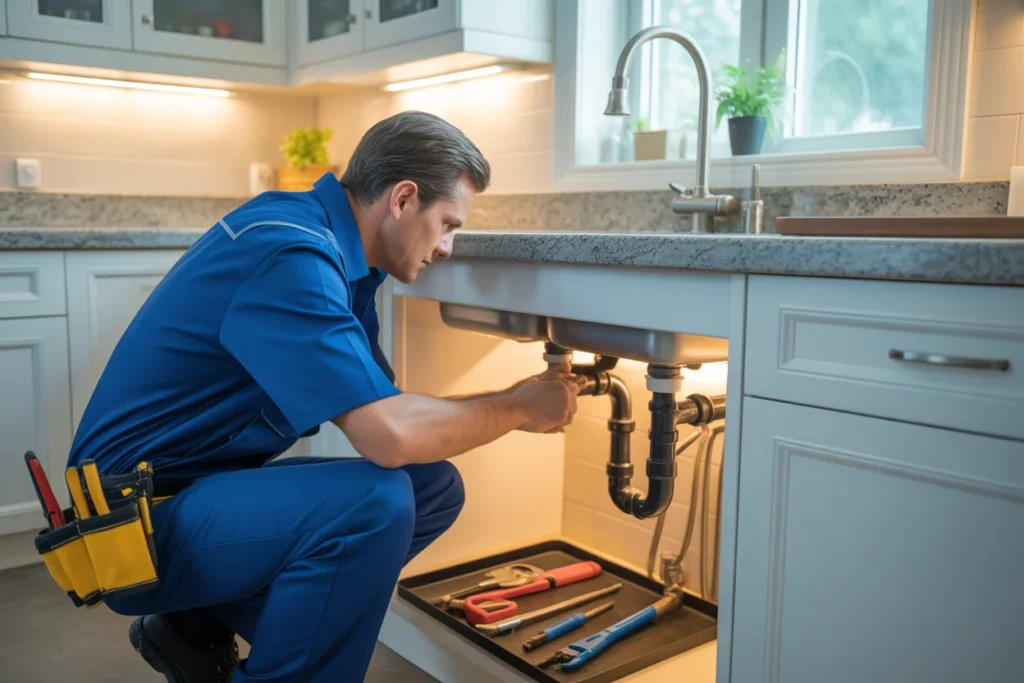
Professional plumbing inspection is sometimes necessary. Persistent low pressure may indicate hidden issues. USA homes with older plumbing often need expert help. A plumber can diagnose complex problems. It ensures long-term solutions.
Schedule a full plumbing check if issues continue. Professionals use tools to detect hidden blockages. Repairs may include pipe or valve replacement. This restores full water efficiency. It guarantees reliable kitchen performance.
Join the Conversation